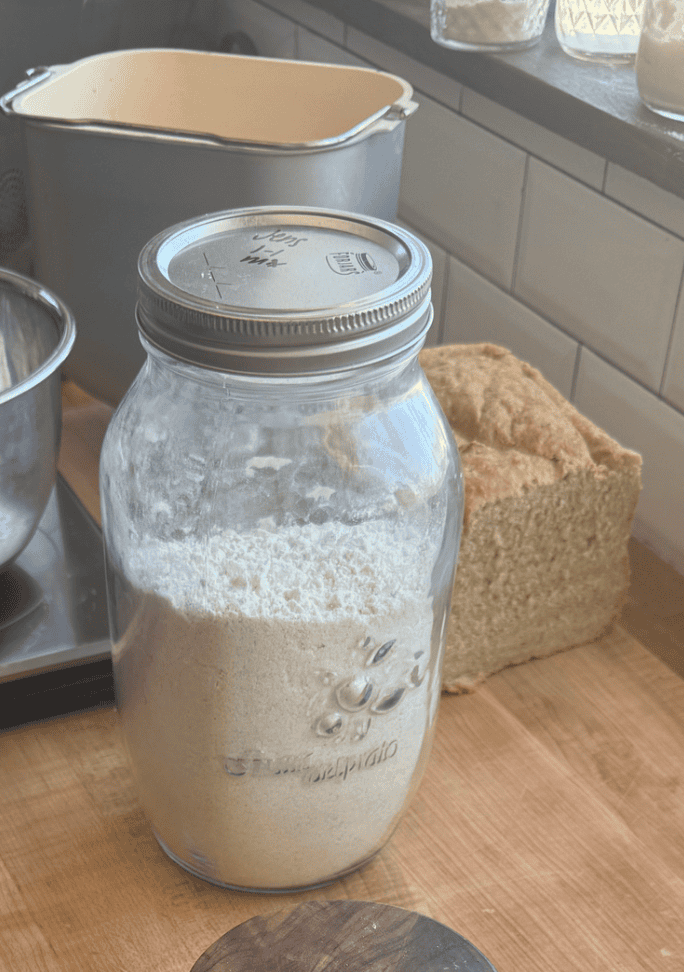

It’s often assumed that there are no safe gluten free grains, but that simply isn’t true! Once I discovered different flavor profiles among various grains, I was flooded with flash backs of my pre-gluten days. No more eating bland, cardboard flavored breads, my friend! The main grains I mill are millet, sorghum, brown rice and buckwheat.
Naturally Gluten Free Grains
- Amaranth
- Amaranth was a staple food of the Aztecs and is rich in lysine, an amino acid often lacking in grains. It’s great to use for dense baked goods like brownies, cookies, and crackers. It also works well as a nutrient boost in bread blends or porridge-style breakfasts.
- Buckwheat
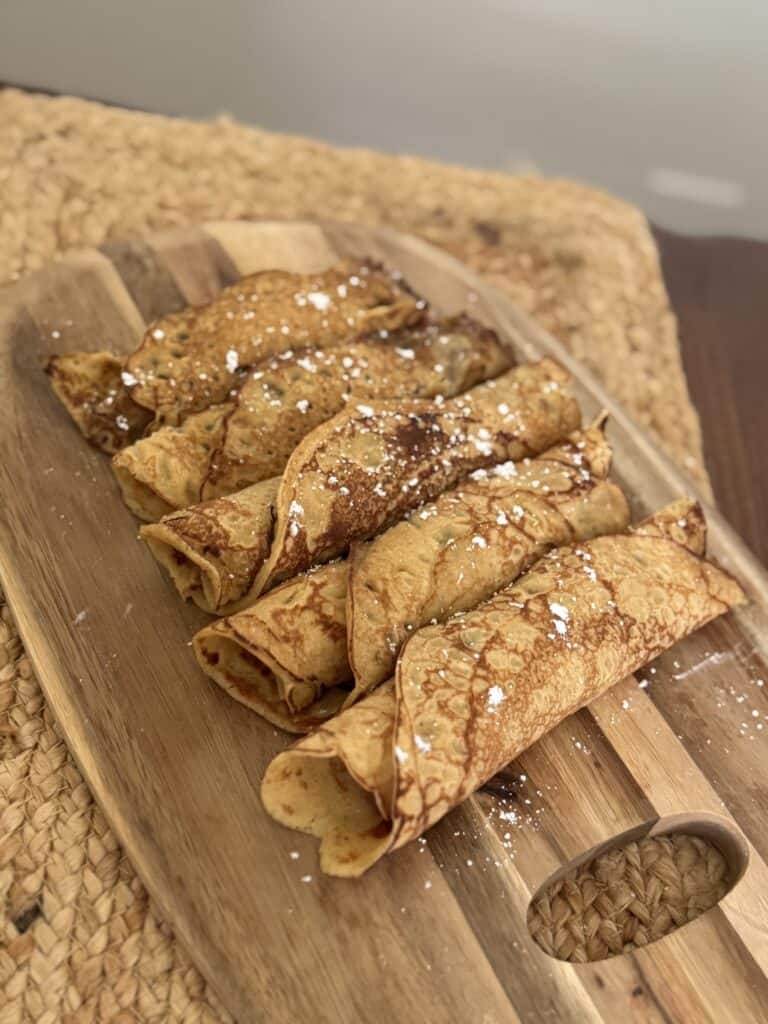
- Despite its name, buckwheat is not related to wheat and is actually a seed. It’s a great source of magnesium and antioxidants. It’s excellent for pancakes, crepes, and rustic bread like an artisan loaf. Its robust flavor works well in hearty recipes like galettes or noodles.
- Brown Rice Flour
- Brown rice retains its bran layer, making it more nutritious and higher in fiber than white rice. It’s great for muffins, pancakes, sourdough starter and cookies. Works well as a base flour when blended with starches like tapioca or potato starch for an all-purpose gluten-free flour mix.
- Corn
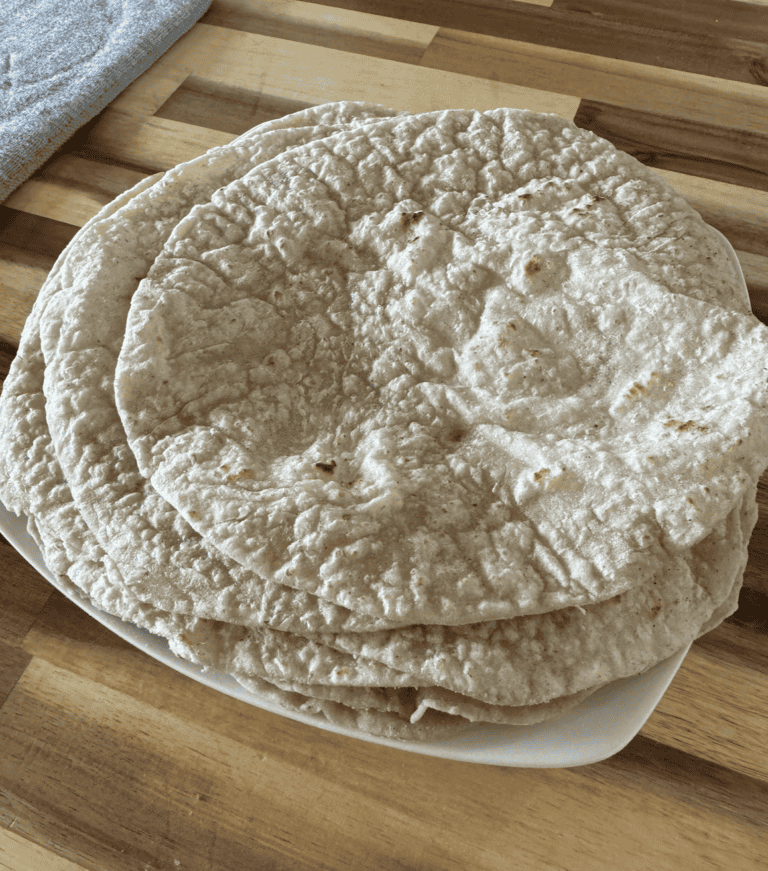
- Cornmeal and corn flour can be milled to different textures. Corn is a staple grain in many cultures worldwide. Great for cornbread, tortillas, and polenta-style bakes. Finely ground corn flour works well for cakes and muffins.
- Millet
- Millet is one of the oldest cultivated grains and is naturally alkaline, making it easy to digest. It’s excellent for tender cakes, flatbreads, and sandwich breads. Its mild flavor complements sweet and savory dishes.
- Oats (Certified Gluten Free)
- Oats are naturally gluten-free but are often cross-contaminated, so look for certified gluten-free oats. They are high in beta-glucan, a heart-healthy fiber. They are ideal for oatmeal cookies, oat bread, and muffins and make an excellent base flour for crumb toppings or breakfast bakes.
- Quinoa
- Quinoa is technically a pseudo-grain and is one of the few plant-based sources of complete protein. It adds a slightly earthy flavor to baked goods and is great for tortillas, flatbreads, and protein-packed muffins.
- Sorghum
- Sorghum is an ancient grain that is naturally drought-resistant, making it eco-friendly. It adds a mild, slightly sweet flavor to breads and pancakes and is a great addition to gluten-free flour blends for soft baked goods like muffins and cupcakes.
- Teff
- Teff is a tiny grain native to Ethiopia and is the main ingredient in traditional injera (fermented flatbread). It’s rich in iron and protein. Teff is perfect for adding a nutty flavor to cookies, pancakes, and waffles and it works well in hearty breads and as part of a blend for nutrient-dense baked goods.White
- Rice
- White rice has the bran and germ removed, resulting in a finer texture when milled. It’s ideal for cakes, delicate pastries, and sauces. Perfect for light-textured bread when combined with xanthan gum or psyllium husk.
Quality of the Gluten-Free Grain Matters
High-quality grains retain more nutrients, such as vitamins, minerals, fiber, and protein. Grains that are grown using sustainable and careful farming practices tend to be more nutrient-dense. They also produce superior flour with better flavor and texture which enhances the taste of baked goods.
Grains grown with excessive pesticides, chemicals, or synthetic fertilizers can carry harmful residues that impact health. Sourcing organically and sustainably grown grains ensure purity and safety for consumption, which is especially important for families, children, or individuals managing autoimmune conditions.
Gluten-free grains must be carefully grown, processed, and transported to avoid cross-contamination with gluten-containing grains (like wheat, barley, and rye).
Sourcing Nutrient Dense Gluten-Free Grains
- Buy Certified Gluten-Free: Look for third-party certifications to ensure purity and safety.
- Choose Organic or Non-GMO: Opt for grains that are free from harmful chemicals or genetic modification.
- Buy Fresh and Whole: Whole grains retain nutrients better than pre-milled flours, and freshly milled flour improves flavor and texture.
- Source Locally: Local farms or trusted suppliers often provide fresher, better- quality grains.
- Check Storage Conditions: Ensure grains are stored in clean, dry environments to avoid contamination or spoilage.
Milling Options
I am extremely partial to Nutrimill and their products. My favorite mill to use and share is the Harvest Grain Mill.
The stone grinder is above all of the rest in my book, but I want to share all three of their options with you so you can choose which mill best suits your needs.
I would like to note that I am affiliated with Nutrimill – but, I approached them after purchasing the Harvest Grain Mill and falling in love with it! They were so kind as to bring me on board as an affiliate, and they gave me a discount code to share with you: FARMFRESHFAMILY
Compare the different grain mills.
Cleaning your grain mill:
Storing Grains:
5 Gallon Bucket with Mylar & Oxygen: For bulk grains that I want to store for 20+ years, I pour the grains into mylar bags and drop in a 2000cc oxygen absorber before sealing the bags with a flat iron. This removes all of the oxygen from the bag and preserves the grains long term. By increasing the grain’s shelf life, this allows you to lock in the bulk pricing and save money overtime by beating inflation.
Grain Dispenser: One of my favorite ways to store grains for quick usage is to place them in a countertop grain dispenser. This one is my favorite.
5 Gallon Bucket: When buying grains in bulk (25lb+ bags), I love using a food grade bucket with a lid to easily refill the countertop grain dispensers easily. Having a combo with a gamma lid on the bucket makes it even easier to use.