
Buttercream icing is one of those foundational recipes every baker should feel confident making — but for many, especially in gluten-free baking, it feels oddly intimidating. Too sweet. Too stiff. Too soft. Too grainy. Too melty.
The truth? Buttercream icing is simple when you understand what each ingredient is doing. In this blog, I’ll walk you through how to make classic buttercream icing, how to fix common problems, and how to customize it for cakes, cupcakes, cookies, and gluten-free desserts — without stress.

Is buttercream icing gluten-free?
Yes — traditional buttercream icing is naturally gluten-free.
However, cross-contamination or gluten exposure can happen depending on:
- Powdered sugar brands
- Added flavorings
- Icing mix-ins like sprinkles or cookie crumbs
- Shared kitchen equipment
If you’re baking for someone with an allergy or celiac disease, always verify ingredient labels and avoid shared mixers/utensils.
Why Buttercream Icing Fails (And How to Avoid It)
Most buttercream issues come down to temperature, ratios, and ingredients used.
Common Buttercream Problems and Solutions
- Too sweet: use less powdered sugar within the recipe or if it’s already too sweet, correct by adding in more softened butter to balance out the flavor.
- Too stiff: add a splash of milk or cream to soften the icing.
- Too runny: add in more powdered sugar to absorb the moisture.
- Grainy texture: make sure your powdered sugar is truly powdered. Some homemade powdered sugar recipes don’t break down the sugar granuals enough and the result is a gritty icing.
- Melting or sliding off cakes: the butter within the icing is too soft. Using butter that is melted or too soft will create a weak buttercream. To fix this, place the icing in the refrigerator to firm up a bit before using. For best results make sure you use a softened (not melted) butter.
- Too buttery tasting: Increase the amount of powdered sugar within the recipe. If you can still taste the butter (whether its a main flavor or a lingering aftertaste) you need more sugar.
All of these are fixable — and preventable — once you understand the basics.
Best Buttercream Consistency for Different Uses
The best way to modify the thickness ratio is with the consistency of the butter and the variation in how much milk is used within the icing recipe. Sometimes the butter being used is too soft, this will result in a softer, less stable icing. Sometimes the powdered sugar being used absorbs at a slightly different ratio, this will create a thicker icing. Learning to read your icing consistency and understand your desired outcome is important for the success of the buttercream!
Thankfully, icing is extremely difficult to mess up and if for whatever reason you need to adjust your ratios (using the notes above) icing stores amazing in an airtight container in the freezer for later use. What I’m saying is, if you’re icing is off balance while you’re learning the different consistencies, make a little more and store whatever extras you have for your next bake day!
Textures to consider for different baking purposes:
Cakes
Soft, smooth, spreadable.
Cupcakes
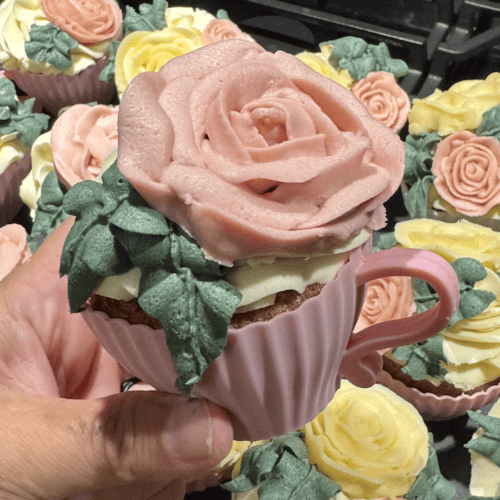
Slightly stiffer for piping (use slightly less milk).
Cookies
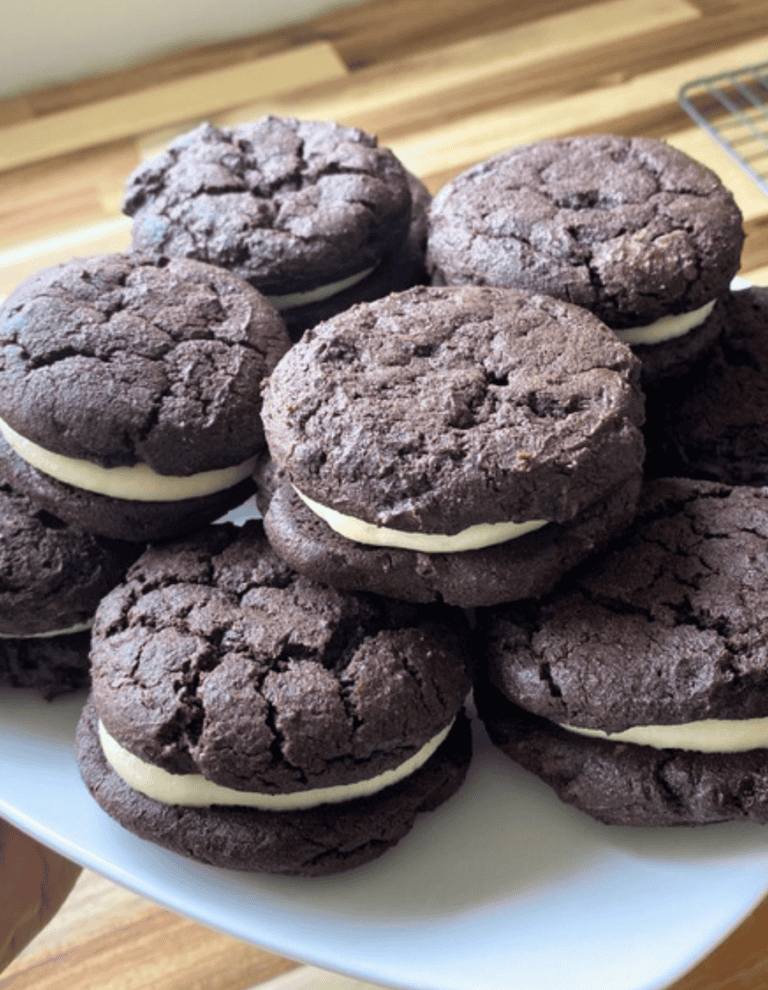
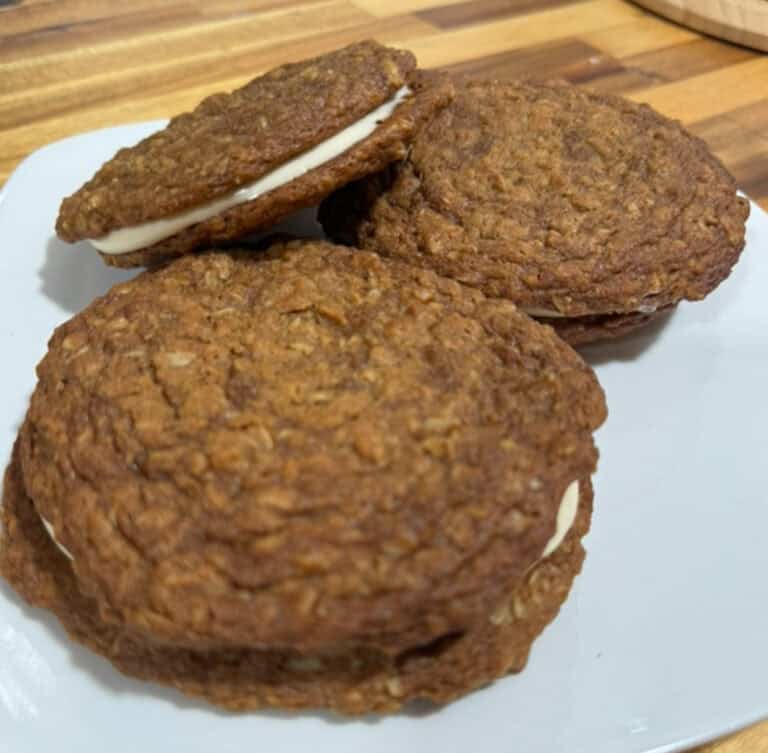
Thicker for stability if layered between cookies, thinner for spreading if decorating the top of a cookie.
Understanding purpose matters more than exact measurements.
Additional Allergens/Suggested Modifications
- Dairy: Use a dairy-free butter and milk/cream
This recipe is naturally free of: eggs, nuts, fish, crustacean shellfish, tree nuts, peanuts, wheat, soybeans, seed oils and sesame.
Ingredients You’ll Need:
1. Butter
Butter sets the tone for the structure within the icing. Using a high-fat butter like Kerrygold (at room temperature) works especially well here. If you need a dairy-free option, you can substitute a dairy-free butter alternative without issue.
See my dairy-free homemade butter recipe here.
2. Powdered Sugar
Powdered sugar adds a smooth sweetness to the frosting that can’t be imitated by granular sugars. Be sure to source an organic powdered sugar that is gluten free. I use this one when I buy it from the store. Or, you can make a from scratch version of powdered sugar using my Homemade Powdered Sugar recipe.
3. Raw Cream/Milk
Raw cream is simply the naturally separated cream that comes from raw milk. If you do not choose to or have access to drinking/using raw cream, it can easily be substituted out for heavy whipping cream, milk or coconut cream (for a dairy free alternative). The cream is used to set the firmness or looseness of the icing (depending on what you’re needing the icing for).
4. Vanilla Extract
Vanilla extract elevates the flavor of the icing. Use a pure vanilla extract for the best results. I am notorious for subbing the vanilla extract out for equal parts Vanilla Bean Paste as well when I have it handy. 10/10 recommend.
Dye-Free Ways to Naturally Color Buttercream Icing:
When working with natural dyes, be mindful that the flavor profile will be affected by whatever you’re using for food coloring. Always start low and slow with adding the powder into the icing. Some colors are more potent than you’d think while others require more powder than you’d think. You can always add more powder if you need it.
1. Pink/Red
Use freeze dried raspberry or strawberry powder.
2. Green
Use freeze dried matcha powder or spirulina that is a deeper green.
3. Purple
Use freeze dried blueberries, beets, sweet potatoes or acai powder.
4. Yellow
Use turmeric for a bright yellow – but be mindful the flavor will be heavily affected. Use saffron for a golden yellow.
5. Blue
Use blue spirulina or crushing dried butterfly pea flowers.
Buttercream Icing (Smooth, Fluffy, and Versatile)
Ingredients
- 1 cup Butter softened
- 3 cups Organic Powdered Sugar
- 2-3 tbsp Raw Milk or other milk alternative
- 1 tsp Vanilla Extract or equal parts vanilla bean paste
Instructions
- Whip the butter in a stand mixer with the whisk attachment until creamy and then add in half of the powdered sugar.
- Mix in the milk, followed by the rest of the powdered sugar and vanilla extract.
- Mix until well combined. The longer the better! (I usually do around 3-5 minutes). Taste the icing. If it’s not sweet enough for your liking, add in more powdered sugar. Increase milk and powdered sugar to keep the consistency of the icing nice and smooth!
- Use icing right away or store in an airtight container in the refrigerator for 1 week or in the freezer for 6 months.
Prep/Storage Options:
- Storage:
- Refrigerate: any leftover icing can be stored in an airtight container in the fridge. Set the icing out on the counter at room temp to soften when ready to use. I often pre-fill icing bags to use later in the week if I know I’ll be baking.
- Freeze: Store unused icing in an airtight container in the freezer for up to 6 months. When ready to use, thaw on the counter until softened.
Frequently Asked Questions
Buttercream becomes runny if the butter is too warm or too much liquid is added. Chill the frosting briefly or mix in more powdered sugar a little at a time until it reaches a thick, spreadable consistency.
If buttercream feels stiff or hard to spread, add a small splash of milk or cream and beat again until smooth. Add liquid slowly to avoid making it too soft.
Beat the butter first until light and creamy, then add powdered sugar gradually. Whipping the finished frosting for a few minutes helps create a lighter, fluffier texture and removes graininess.
Yes. Substitute the butter with a dairy-free butter alternative. Many plant-based butters whip well and still produce a creamy, pipeable frosting suitable for cakes, cookies, and cupcakes.
Store buttercream in an airtight container in the refrigerator for up to 1 week. Let it come to room temperature and re-whip before using to restore its smooth texture.
Yes. Natural options include freeze-dried fruit powders, cocoa powder, turmeric, matcha, or plant-based food coloring. These add color while keeping the frosting free from artificial dyes.
Yes. Freeze buttercream in a sealed container for up to 3 months. You can even put it in a Thaw overnight in the refrigerator, then bring to room temperature and whip again before using.
Get on the List
Subscribe to Receive the Gluten Free Pantry Must Haves Ebook