
If you mill your own gluten-free grains, you’ve probably noticed that fresh-milled flour behaves very differently than store-bought blends — especially when baking bread.
Fresh-milled gluten-free flour absorbs more liquid, ferments faster, and produces a richer flavor, but without the right balance of grains, loaves can turn out dense, gummy, or fragile.
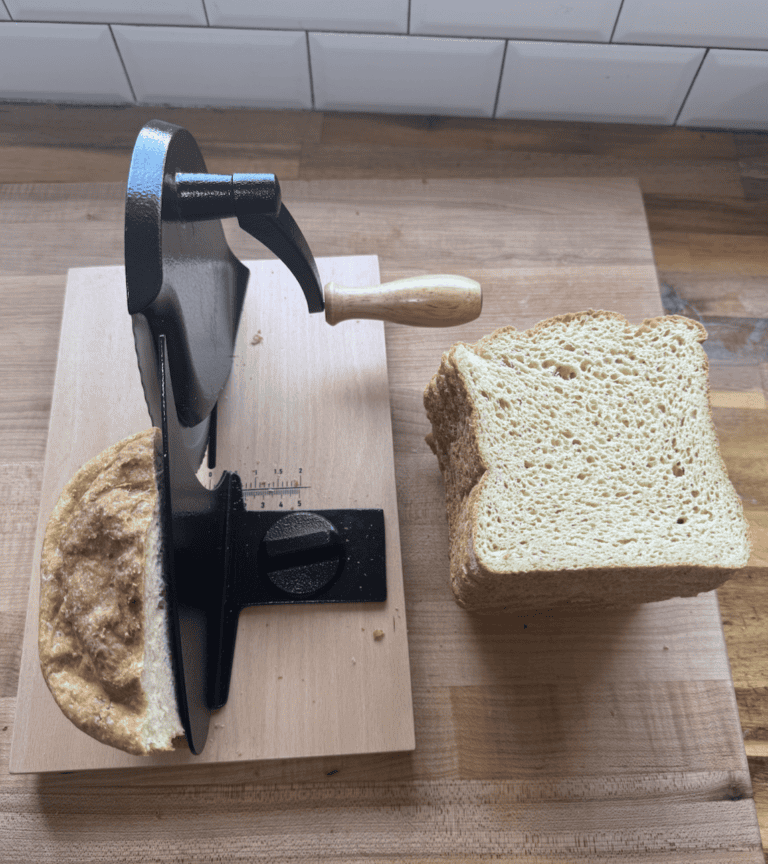
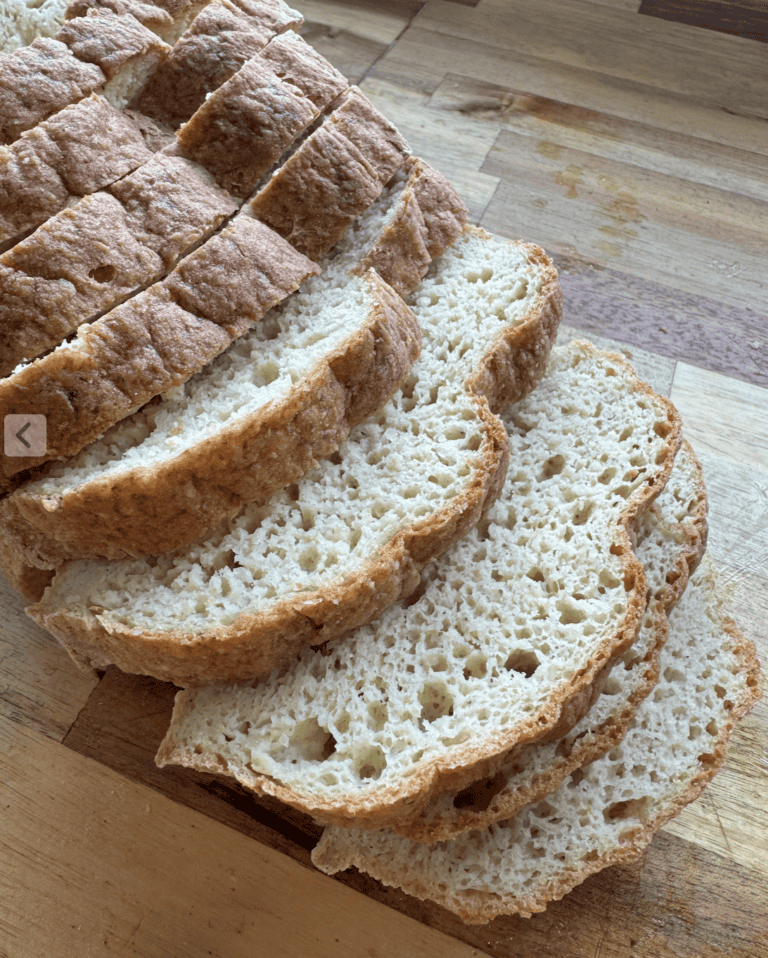
This fresh-milled gluten-free bread flour mix is designed specifically for my Gluten-Free Bread Machine recipe and works well with yeast breads, sourdough, and sandwich loaves. It combines structure-building grains with softer naturally gluten free flours to create a balanced blend that mills easily and performs reliably in everyday baking.
Once you have a dependable flour mix, fresh-milled gluten-free bread becomes much more predictable.
This post may contain affiliate links, please read our disclosure policy for details.
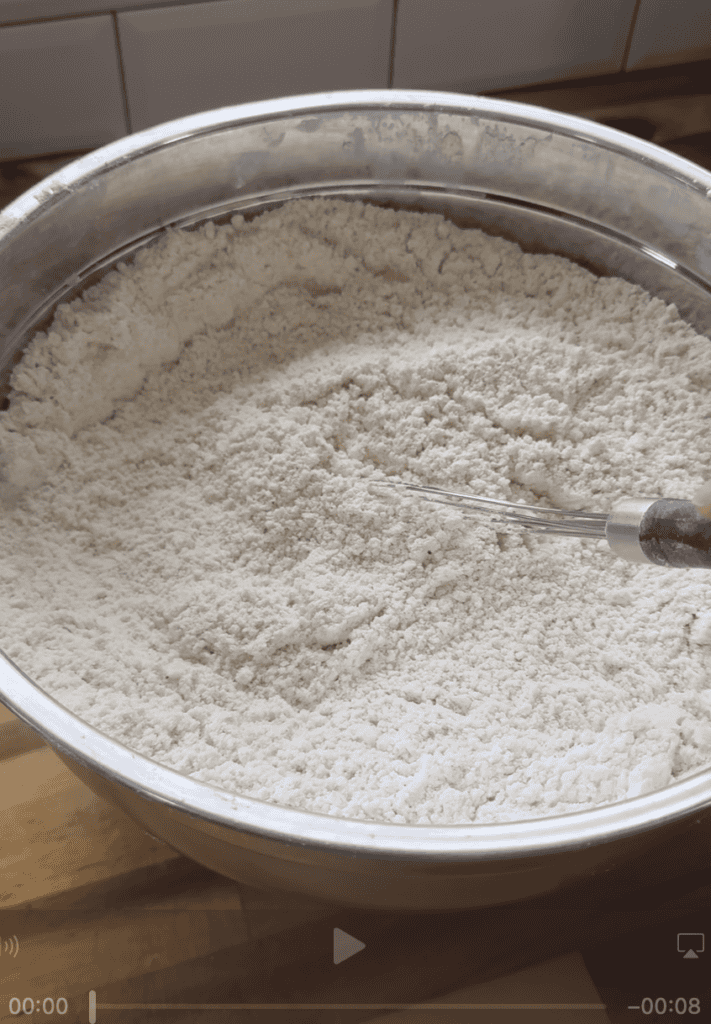
Why This Fresh-Milled Bread Flour Mix Works
- Balanced structure for sandwich bread and sourdough
- Mills easily at home with common gluten-free grains
- Supports proper hydration and fermentation
- Neutral flavor suitable for sweet or savory breads
- Works in oven-baked, sourdough, or bread machine recipes
A good flour mix removes guesswork from gluten-free bread baking.
Grains Used in This Fresh-Milled Gluten-Free Bread Mix
1. Brown Rice Flour
Brown rice flour is a wholesome, whole-grain gluten-free flour made from finely milled brown rice, giving baked goods a soft structure and a slightly nutty, hearty flavor. It adds natural fiber and stability to recipes, making it a reliable base flour for breads, muffins, and everyday baking. You can choose to fresh mill your brown rice or buy it already milled.
2. Sorghum Flour
Sorghum flour is one of my favorite fresh milled gluten-free whole-grain flours for baking soft, chewy gluten-free pretzels because it adds structure without heaviness. It has a mild, slightly sweet flavor that mimics traditional wheat flour more closely than many gluten-free options, helping create that bread texture and golden crust. Paired with proper hydration and binders, sorghum flour gives breads their tender bite and keeps them from tasting gritty or crumbly. If you’re needing to sub it out for another flour use millet, brown rice flour, oat flour (make sure its GF oats).
3. Millet Flour
If using fresh milled gains, I get these from Azure Standard (US based option), Amazon, or Bread Becker. If using already milled grains (similar to just picking up flour at the store) I useBob’s Red Mill or Anthonys. Millet is one of the oldest cultivated grains and is naturally alkaline, making it easy to digest. It’s excellent for tender cakes, flatbreads, and sandwich breads. Its mild flavor complements sweet and savory dishes.
4. Potato Starch
Potato starch helps create a soft, tender crumb in gluten-free bread while preventing the loaf from turning dense or dry. It acts as a lightening starch that improves structure and gives the bread a smoother, more flexible texture — especially important for sandwich loaves that need to slice without crumbling.
5. Arrowroot Powder
Arrowroot powder is a light, grain-free starch that works to soften the fresh milled grains and aids in the absorption of the wet ingredients within the recipe. Arrowroot also helps to play a major supporting role in the fluffiness of the breads it produces.
6. Xanthan Gum
Xanthan Gum is another structure forming ingredient that is necessary within gluten-free bread baking. Like psyllium husk, not all xanthan gum is created equally. Many are inflammatory and derived from corn, but I’ve found a corn free brand that works great and is a healthier solution to the xanthin gum needs within gluten free baking. This one is my favorite.
“The bread flour mix makes my life so much easier! I use it multiple times a week when baking – especially with the bread machine sandwich loaf Jen shares! It’s a game changer.”
Easy Substitutions for the Recipe
Please see recipe card at the bottom of this post for the full recipe details.
- BROWN RICE FLOUR – sub for white rice flour, millet flour, sorghum flour, oat flour (make sure to use a certified GF oat).
- POTATO STARCH – sub for tapioca flour, arrowroot flour, or cornstarch.
- MILLET – sub for sorghum flour, brown rice flour, or teff flour.
- SORGHUM – sub for millet flour, brown rice flour, oat flour (make sure to use a certified GF oat), or teff flour.
- ARROWROOT – sub for tapioca flour, potato starch, or cornstarch.
- XANTHAN GUM – this ingredient cannot be omitted. It is a binder and affects how the bread holds its shape within the recipe.
What Others are Saying
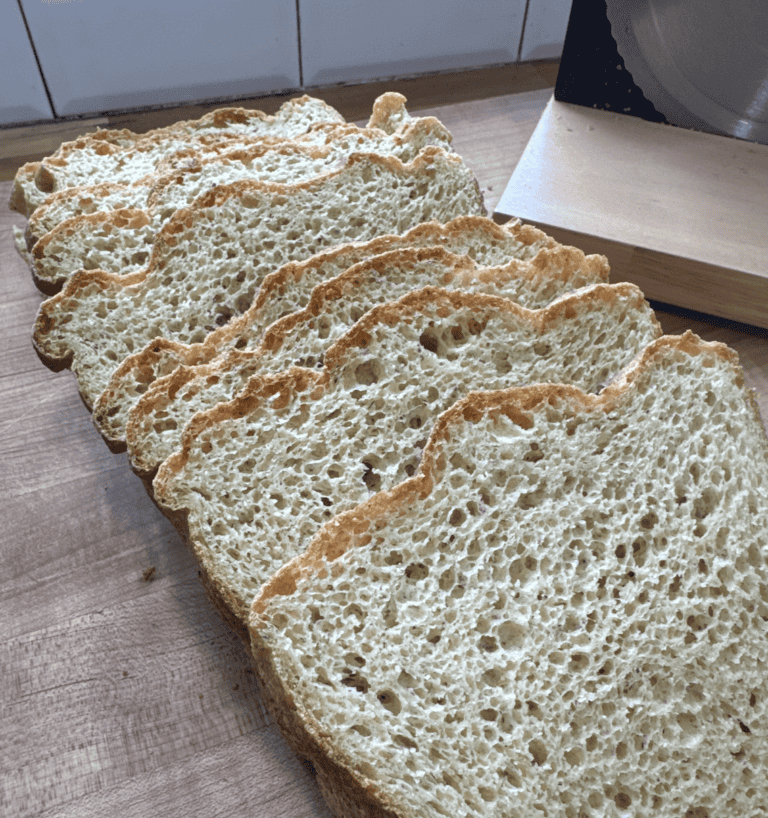
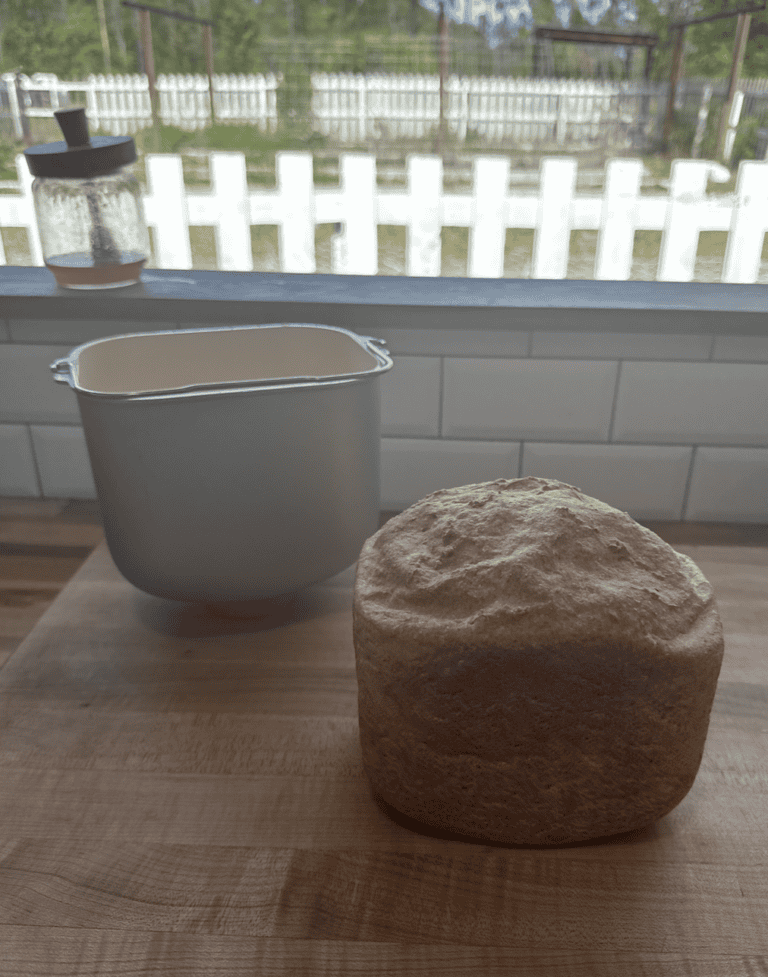
Bread Machine Loaf Hacks/Tips
If making fresh milled flours and you’re wanting to maintain the nutritional density, place the milled flours into the freezer between uses. If this doesn’t matter to you, store on the shelf.
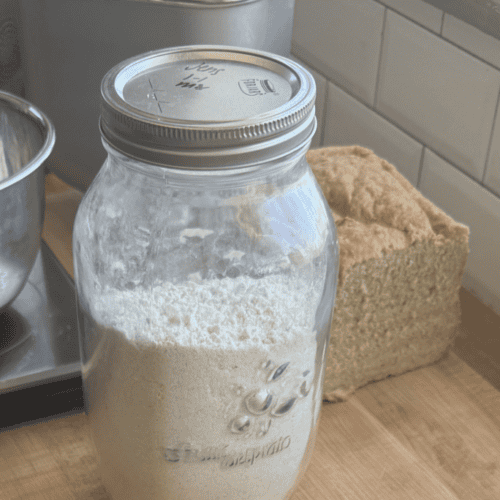
Premix the Bulk Bread Flour Mix ahead of time to make for an easy grab-and-scoop option when making breads (especially the Bread Machine recipe).
Use finely ground and sift flours to make the bulk mix. This ensures the final outcomes are not gritty or textured.
Recipe FAQs
Best Gluten Free Bread Flour Mix (Fresh Milled Option)
Ingredients
- 1 1/2 cup Brown Rice Flour
- 3 cup Sorghum Flour
- 3 cup Millet Flour
- 1 1/2 cup Potato Starch
- 2 1/2 cup Arrowroot Powder
- 3 tsp Xanthan Gum
Instructions
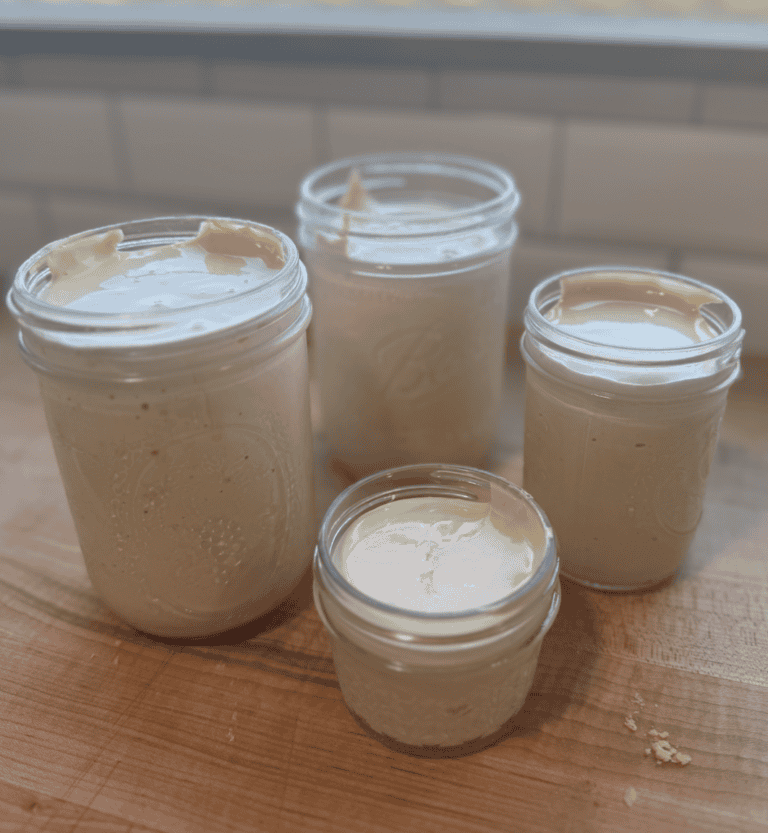
- Mix all of the ingredients together in a large bowl with a whisk until well combined and store in a mason jar with an airtight lid. This recipe makes about 2 half gallons or one full gallon container’s worth.
Storage Options:
- Storage: If using fresh milled flours and you want to maintain the integrity of the flour blend’s nutritional value, store blend in an airtight container in the freezer in between uses.
- If using already milled flours, store in an airtight container in the pantry.
- Bulk mixes can be stored for 2-3 months.
Get on the List
Subscribe to Receive the Gluten Free Pantry Must Haves Ebook
Did you make this recipe?
We’d love to see! Tag @farmfreshfamily on Instagram!