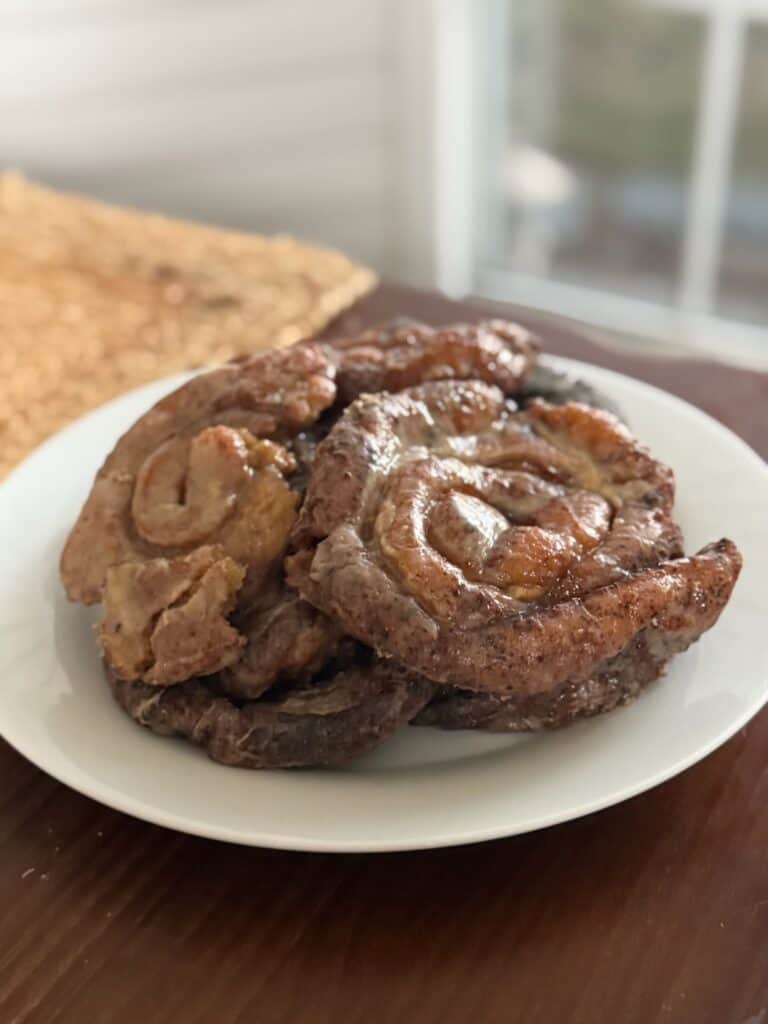

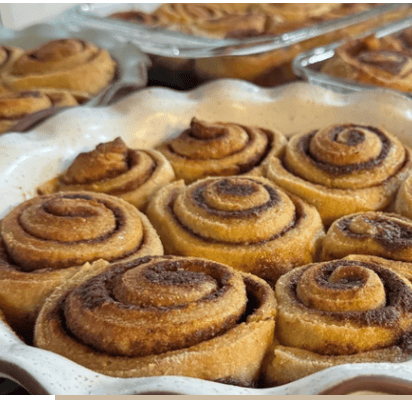
Finally finding a Gluten-free cinnamon roll recipe that defies the odds by being soft and fluffy is one magnificant feat, but this recipe takes it a step further and focuses on nourishing whole food ingredients and quality sourced binders which brings it to the next level.
Dare I say, healthy cinnamon rolls!
They’re soft, pillowy, and rich — the kind that pulls apart in warm, gooey layers and still tastes amazing the next day, and they are leveled up with the option to use fresh milled flours – boosting their nutritional content in the most simple way possible – ingredient swapping!
Whether you’re baking for celiac disease, gluten intolerance, or simply want a nostalgic cinnamon roll that doesn’t compromise taste, texture, or quality ingredients – this recipe delivers. There’s a reason hundreds of friends from all over the world share this recipe with their loved ones!
If you’re looking for other variations of cinnamon rolls, check out my Cookies & Cream Rolls, Apple Cinnamon Rolls, and Pumpkin Rolls recipes.
What Makes These Cinnamon Rolls Different?
– They’re soft & fluffy – NOT gummy
– Clean, fresh-milled flour options
– No gritty aftertaste
– They hold their shape as they rise (and they actually rise…)
– They come with a dairy-free & egg-free modification option
– They have a 100% refined sugar free dough and filling with the option for refined sugar free topping
Unlike many gluten-free doughs that rely heavily on starches alone, this recipe balances a mix of structure and moisture so the rolls rise properly and stay tender.
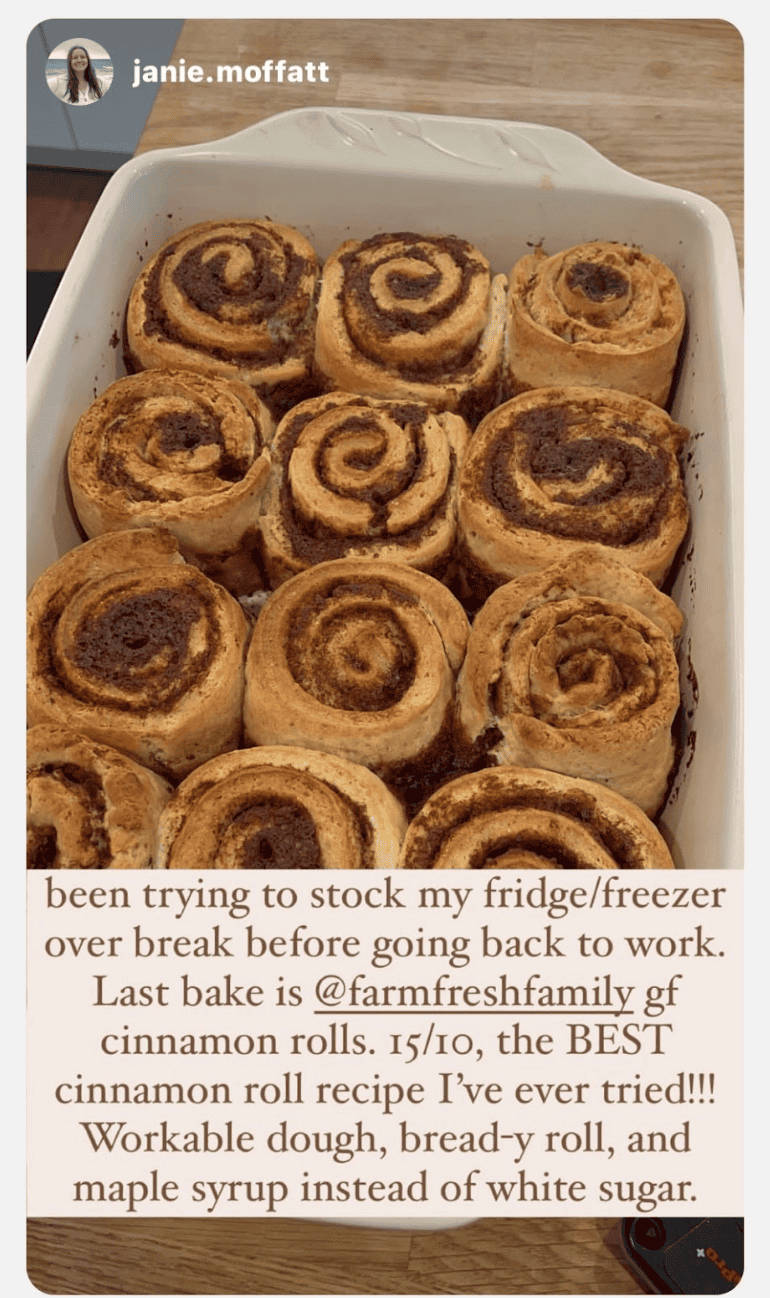
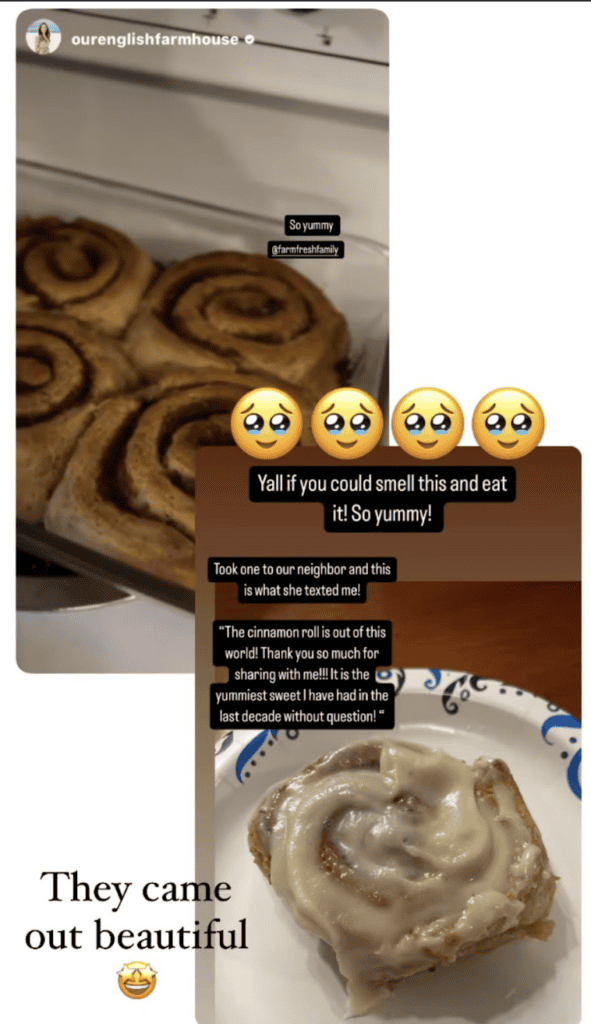
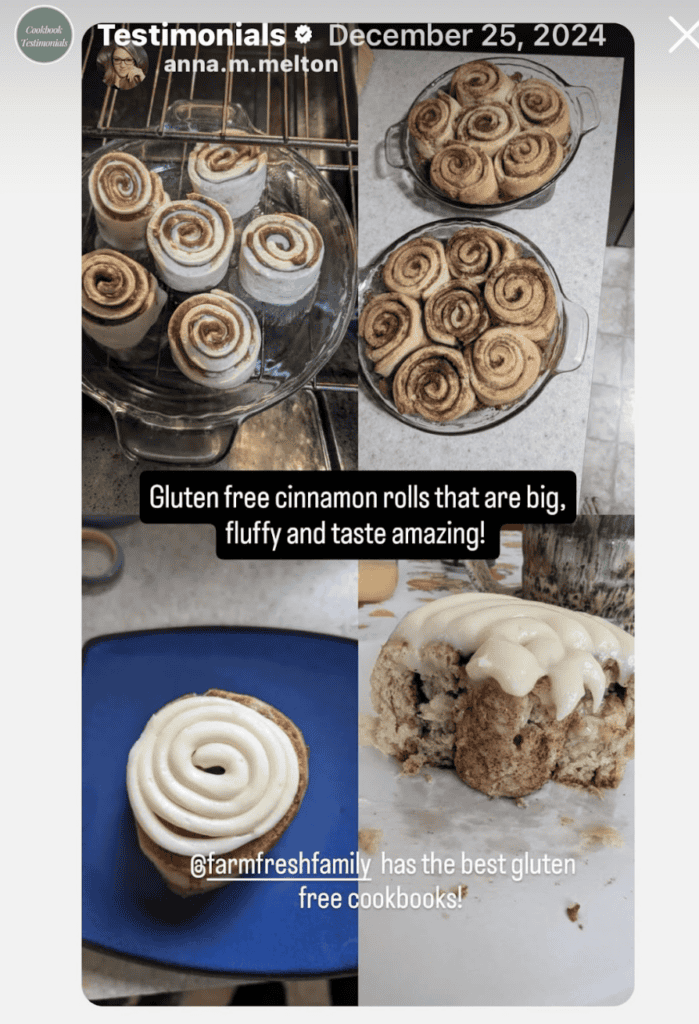
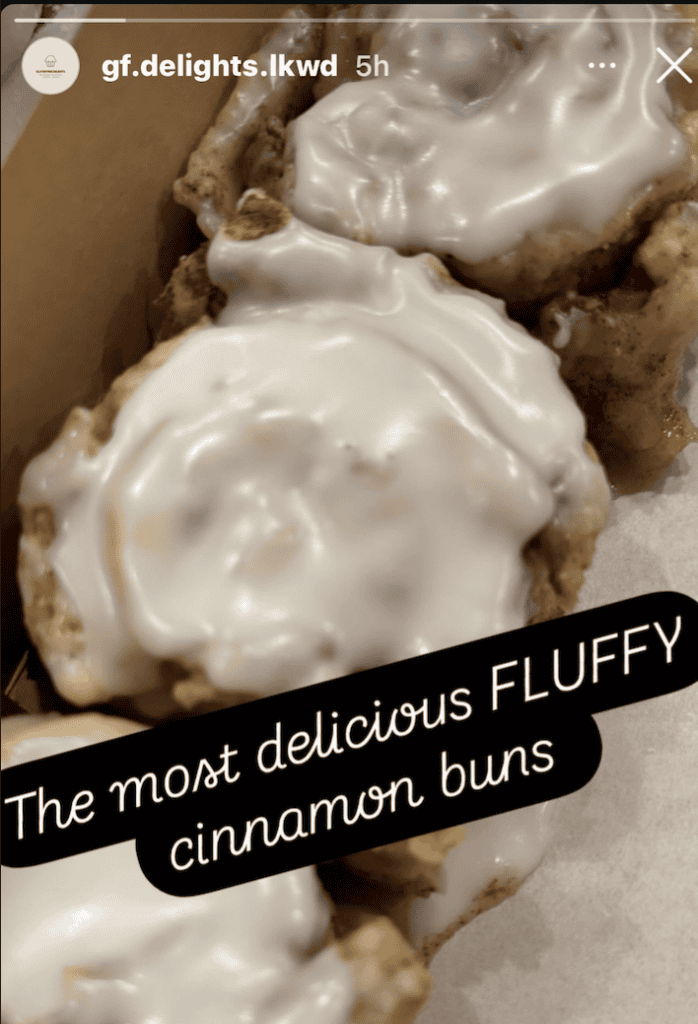
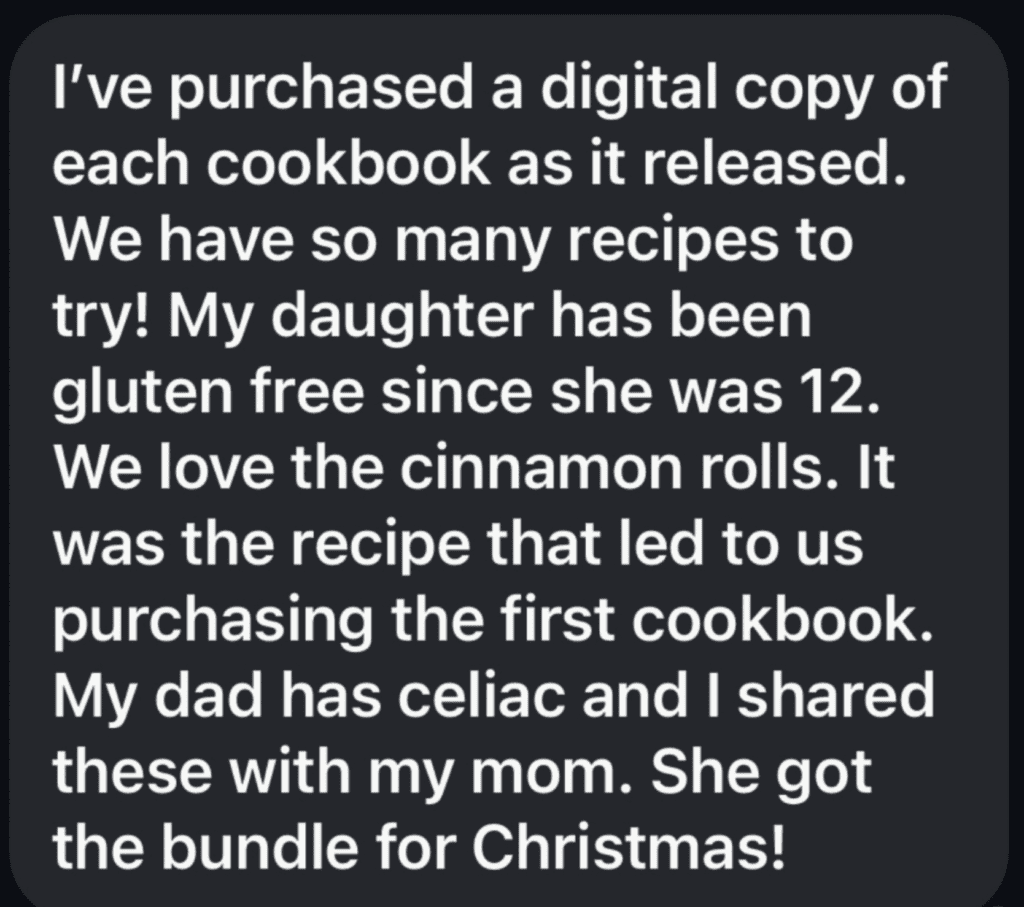
What Are Others Saying?

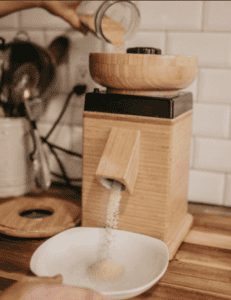
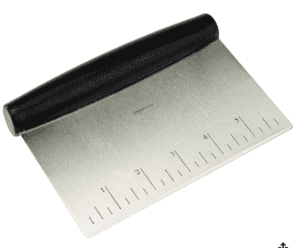
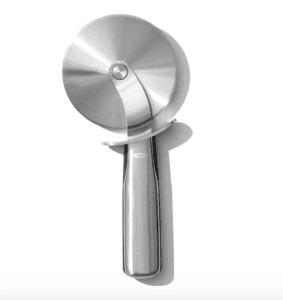
Shop The Tools

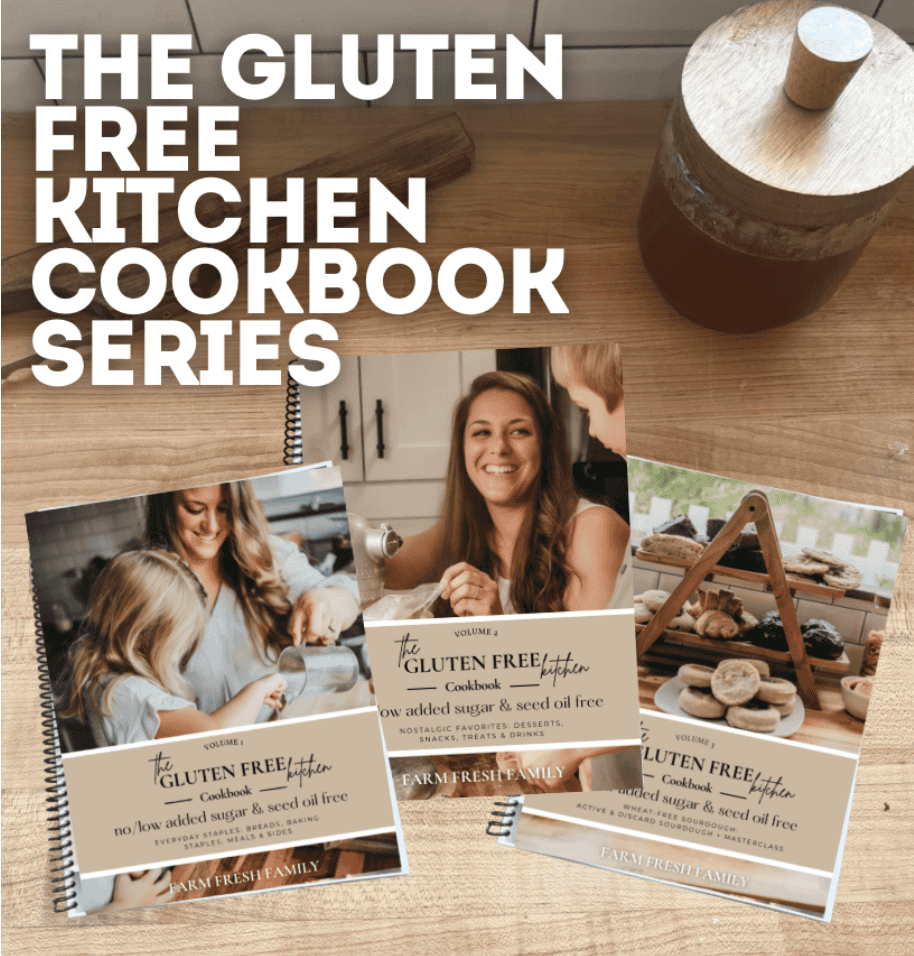
The Gluten Free Kitchen Cookbook Series
Healthy GLUTEN-FREE Recipes for Every Day LIFE
Your go-to cookbooks for all of the delicious & nutritious meals, sides, breads (yeast & sourdough), baking staples, snacks, desserts, drinks and more. With easy-to-follow instructions and beautiful step-by-step photography, every page invites you to explore nostalgic, healthy meals that make being gluten free a “get to” instead of a “have to”.
Whether you’re cooking for yourself or sharing with loved ones, The Gluten Free Kitchen Cookbook Series brings healthy living to your table every day.
Ingredients You’ll Need:
Dough:
1. Psyllium Husk Mix
This is a mix of psyllium husk (whole husk) and warm water. When combining the two together, a gel mixture is formed that helps create the structure of the dough. It is importance to use a trusted brand of psyllium husk (I recommend this one). It’s also extremely important to get whole husk. Powdered husk is finer and requires more water to compensate for the excess surface area on the powder compared to the whole husk.
Note: Psyllium husk cannot be substituted within this recipe. It creates the structure of the cinnamon roll and is essential for the soft, springy outcome.
2. Bloomed Yeast
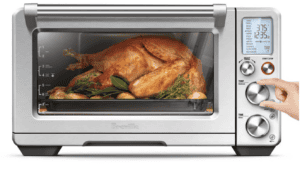
By combining the yeast, warm milk (or water if dairy-free) and honey together and allowing it time to proof in a warm, draft free area, a frothy “bloomed” yeast emerges which reassures you that your yeast is active and will help your dough rise beautifully. I recommend using a countertop proofing oven to ensure a warm and compatible environment for proofing not only the yeast but the dough as well. My favorite is this multipurpose oven.
Note: If you are unable to have yeast, I highly recommend making the Gluten-Free Sourdough Cinnamon Rolls that are 100% conventional yeast free.
3. Flours
This recipe calls for a mixture of flours which may seem overwhelming, but once you get over the fact that good gluten free foods require more than one flour, you see just how simple this mix is! Not only is it simple, but it comes with versatility between fresh milling the millet and sorghum flour, or using already milled versions of those flours. There is a mix of millet, sorghum, tapioca, and gluten free one-to-one flour. If additional allergens or dietary preferences don’t support those flours, this recipe is very easy to substitute out for flours of your choice. Note: If you make this with 100% one to one flour, the flavor profile will be different.
Suggested Flour Substitutions:
Millet: can be subbed for equal parts sorghum, teff, one-to-one flour or brown rice flour.
Sorghum: can be subbed for equal parts millet, one-to-one flour, or brown rice flour.
Tapioca: can be subbed for equal parts arrowroot flour, potato starch, or cornstarch.
Gluten Free One-to-One: can be subbed for equal parts millet or sorghum flour.
4. Maple Syrup
Maple syrup provides natural sweetness while adding moisture and depth to the cookie dough. It also helps create a smooth, cohesive texture without refined syrups.
5. Baking Powder
Baking powder gives the cookies just enough lift without making them cakey. I recommend using a corn-free and aluminum-free baking powder, which is easier on digestion and keeps the flavor clean. This is my go-to option for all gluten-free baking.
6. Xanthan Gum
Xanthan Gum is another structure forming ingredient that is necessary within gluten-free baking. Like psyllium husk, not all xanthan gum is created equally. Many are inflammatory and derived from corn, but I’ve found a corn free brand that works great and is a healthier solution to the xanthin gum needs within gluten free baking. This one is my favorite.
7. Salt
A small amount of salt balances the sweetness and enhances the chocolate flavor. Don’t skip it—it makes a noticeable difference.
8. Eggs
I’m a big fan of supporting local farmers and using farm fresh eggs. It’s also important if you’re navigating more anti-inflammatory foods to source pasture raised, non GMO, corn and soy free eggs. If you need to be egg free, my favorite egg replacer is Bob’s Red Mill Egg Replacer. I’ve used it within this recipe and it came out amazing!
9. Butter
Butter adds richness and helps create a crisp yet tender texture in the cookie wafers. Using a high-fat butter like Kerrygold works especially well here.
10. Raw Cream
Raw cream is simply the naturally separated cream that comes from raw milk. If you do not choose to or have access to drinking/using raw cream, it can easily be substituted out for heavy whipping cream or coconut cream (for a dairy free alternative). The cream is used to drizzle over the proofed rolls and help them to maintain moisture while they bake.
Additional Allergens/Suggested Modifications
- Dairy: Sub with a dairy free alternative for butter, milk, and cream.
- Egg: Use an egg replacer (I suggest Bob Red Mills)
This recipe is naturally free of: nuts, fish, crustacean shellfish, tree nuts, peanuts, wheat, soybeans, seed oils, and sesame.
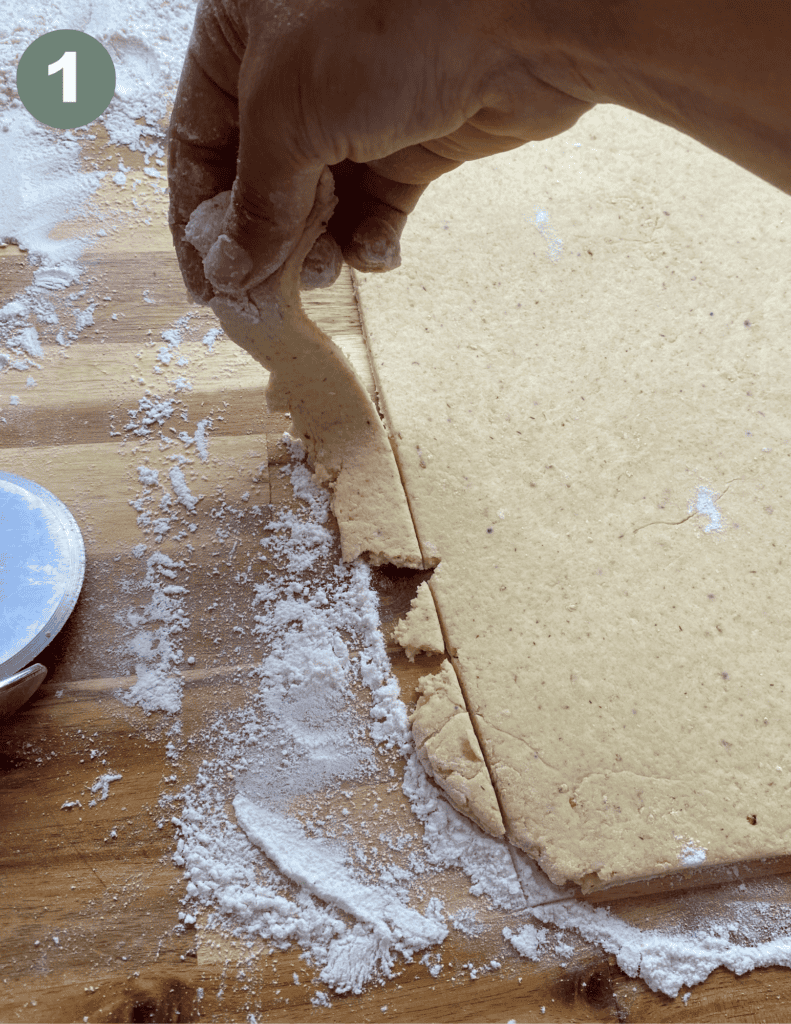
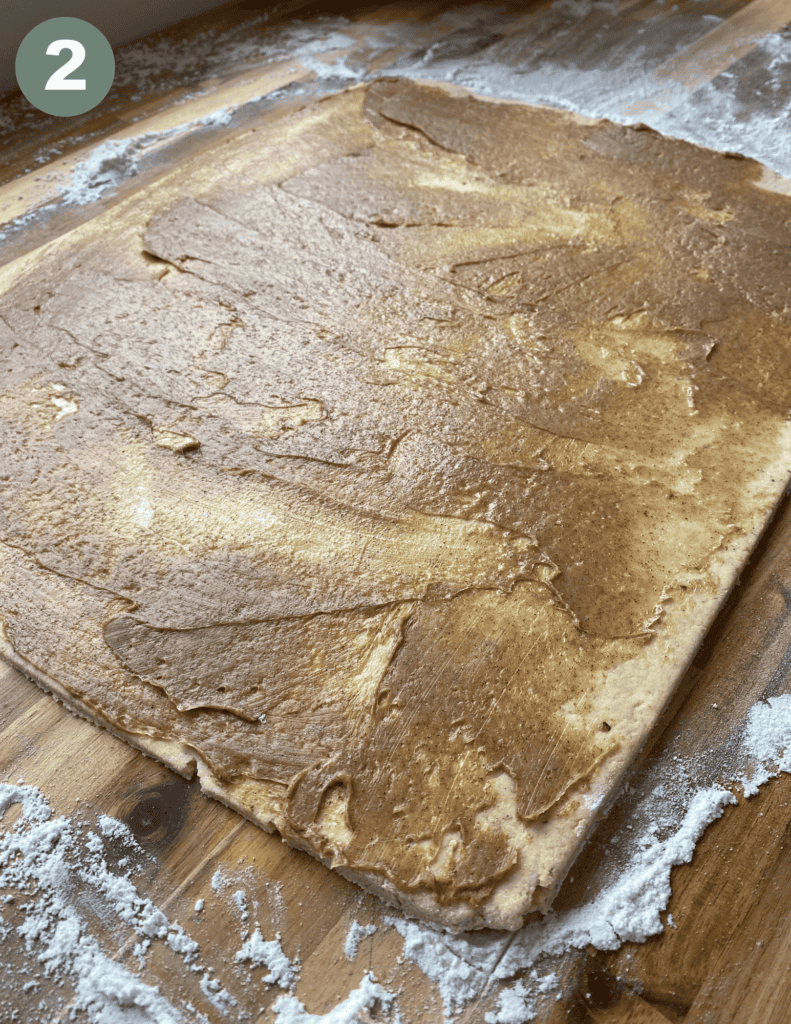
1. Shape
2. Fill
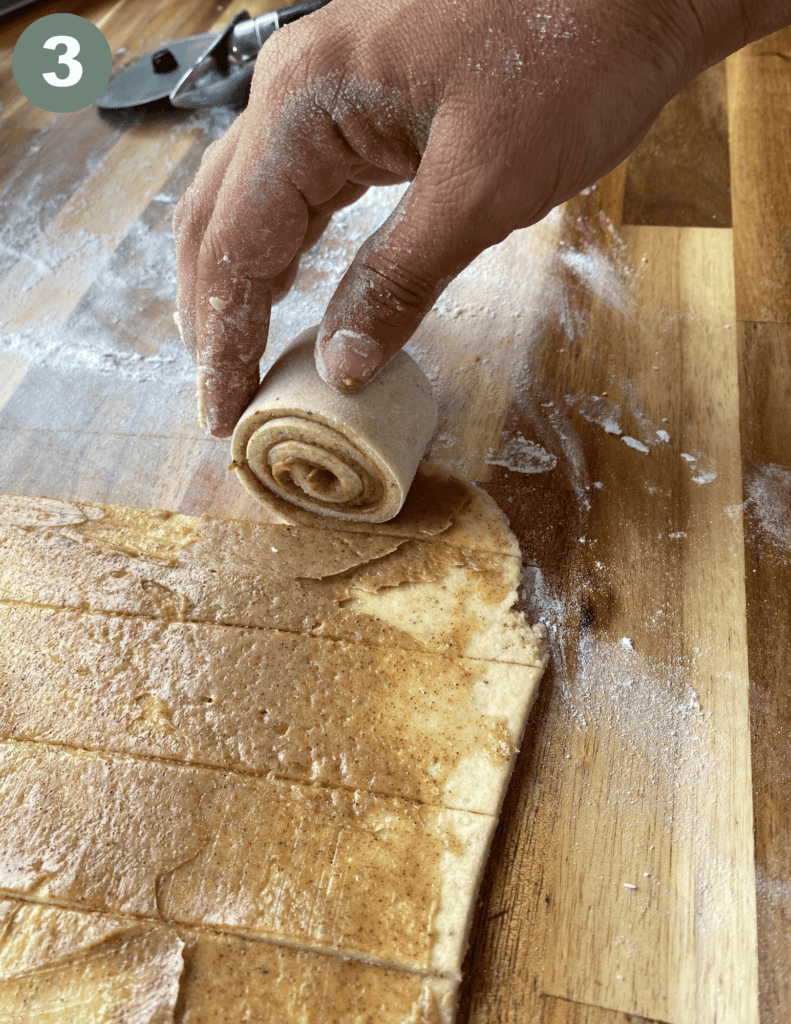
3. Roll
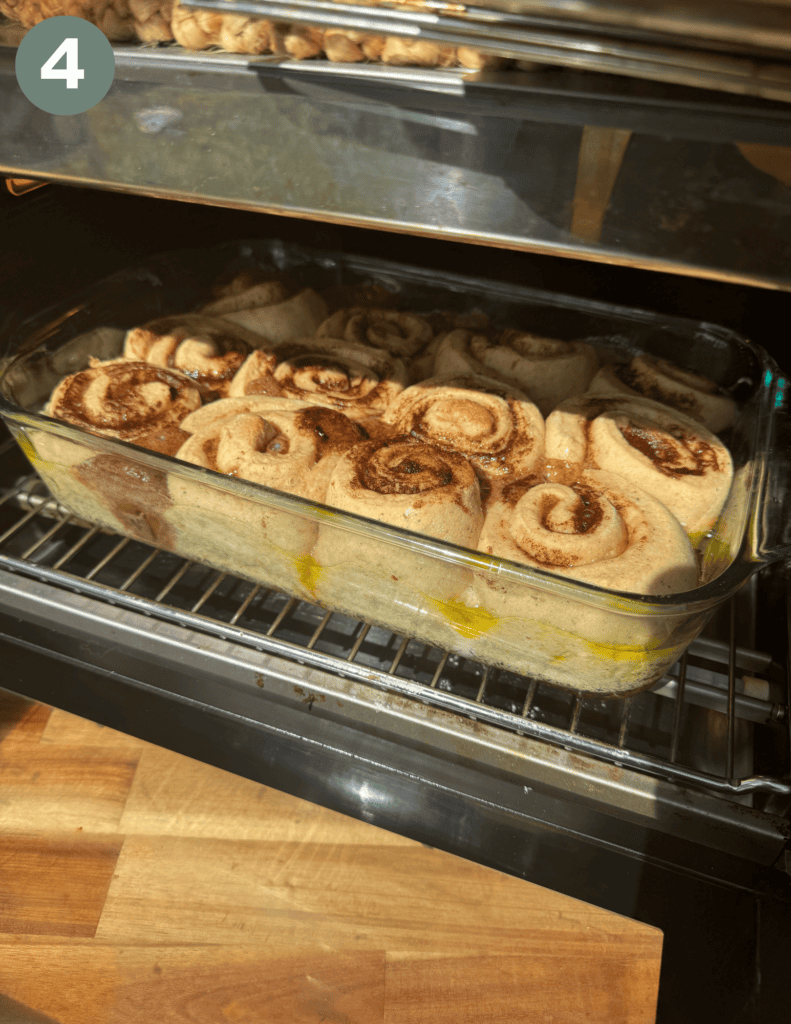
4. Proof
Before baking…
Don’t forget to top the proofed rolls with cream. This is such an important step to lock in moisture within the cinnamon rolls as they are baking and it will level up your overall experience!
Prep/Baking Options:
- Bake immediately after the rolls rise & enjoy.
- Pre-make the rolls (shape, proof, and bake) and then freeze. You can bake from thawed or frozen.
- Thaw: Preheat oven to 350°F, let thaw, drizzle cream on the rolls & bake for 20ish minutes (or until fully heated).
- Frozen: Preheat oven to 350°F, drizzle cream on the frozen rolls & bake for 30-40 minutes (or until fully heated).
- Prep the cinnamon rolls the night before: Mix & shape the dough. Then, allow the dough to fully proof. Once proofed, place the rolls into the refrigerator (covered with Saran Wrap or in a topped pyrex dish to lock in freshness) and the next morning, bring the rolls to room temp on the countertop and bake them fresh per the instructions for baking in the methods section.
Gluten-Free Cinnamon Rolls (Soft, Fluffy & Better Than Bakery)
Ingredients
Dough
- 1/2 cup Psyllium Husk
- 1 1/2 cups Water Warm
- 4 tsp Yeast
- 2 TBSP Honey
- 3/4 cup Milk Warm
- 2 cups Millet Flour
- 1/2 cup Sorghum Flour
- 2 1/4 cupsTapioca Starch
- 1/2 cup Gluten Free Flour
- 1/2 cup Maple Syrup
- 3 tsp Baking Powder
- 3 tsp Xanthan Gum
- 2 tsp Salt
- 2 Eggs
- 3/4 cup Butter Melted
- 1/3 cup Raw Cream for baking
Filling
- 1 cup Butter softened
- 1/2 cup Maple Syrup
- 3 tbsp Ground Cinnamon
Icing
- Added Sugar Option
- Refined Sugar Free Option
Instructions
- Prep the yeast, warm milk (or sub water if dairy free) and honey mixture and allow time for it to froth.
- Measure out psyllium husk + warm water separately and set aside.
- Combine all dry ingredients together in mixing bowl.
- Once yeast has risen, whisk together the psyllium husk (whole husk) until well combined and let it sit for 30-45 seconds until a gel is formed.
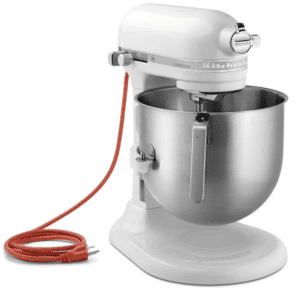
- Add in wet ingredients: eggs, butter, maple syrup, risen yeast, psyllium husk gel & mix well (10 minutes with a paddle or dough hook attachment).
- Once mixed, lightly flour countertop with gluten free 1-to-1 flour.
- Divide the dough in half to make it easier to work with and set the other half to the side.
- Roll the dough out evenly into a rectangle about. You can roll it anywhere from 1/4 inch to 1/2 an inch depending on thickness preference.
- Mix the filling ingredients together and spread half of the filling evenly over the dough.
- Using a pizza cutter, cut the dough in even rows about 1.5 inches wide. I eyeball this part, it doesn’t have to be perfect. Once cut, roll each piece up into a cinnamon roll, place in pan and let rise for 1 hour (or until doubled in size) in a warm place.
- Once the rolls have doubled in size, preheat oven to 350°F and drizzle warm cream over the rolls.
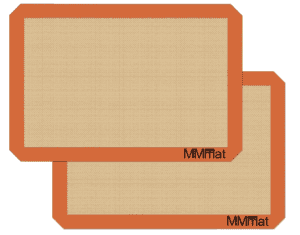
- Bake rolls for 20 minutes covered with a silicone mat and remove the mat for the remaining 15 minutes of baking.
- Mix icing ingredients together and combine until smooth and delicious!
- Lather your warm cookies and creme rolls in icing and enjoy!
Notes
Storage/Freezing Options:
- Storage: Store in the refrigerator in an airtight container for up to a week.
- Freezing Options: Store in the freezer (in airtight container) for up to 6 months
Frequently Asked Questions
Get on the List
Subscribe to Receive the Gluten Free Pantry Must Haves Ebook