
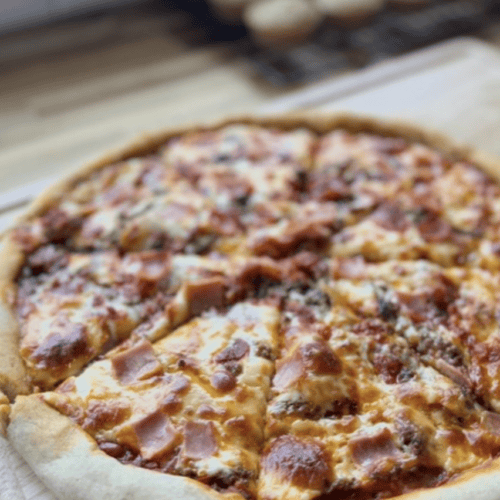
Finding good pizza dough that’s gluten-free is so much more work than it should be! My less than 10 ingredient gluten & dairy-free pizza dough is surprisingly simple to whip up and comes together as a nourishing and delicious base option for your favorite pizza toppings.
I love to use this pizza dough to make our Italian family favorite recipe: Fried Pizza!
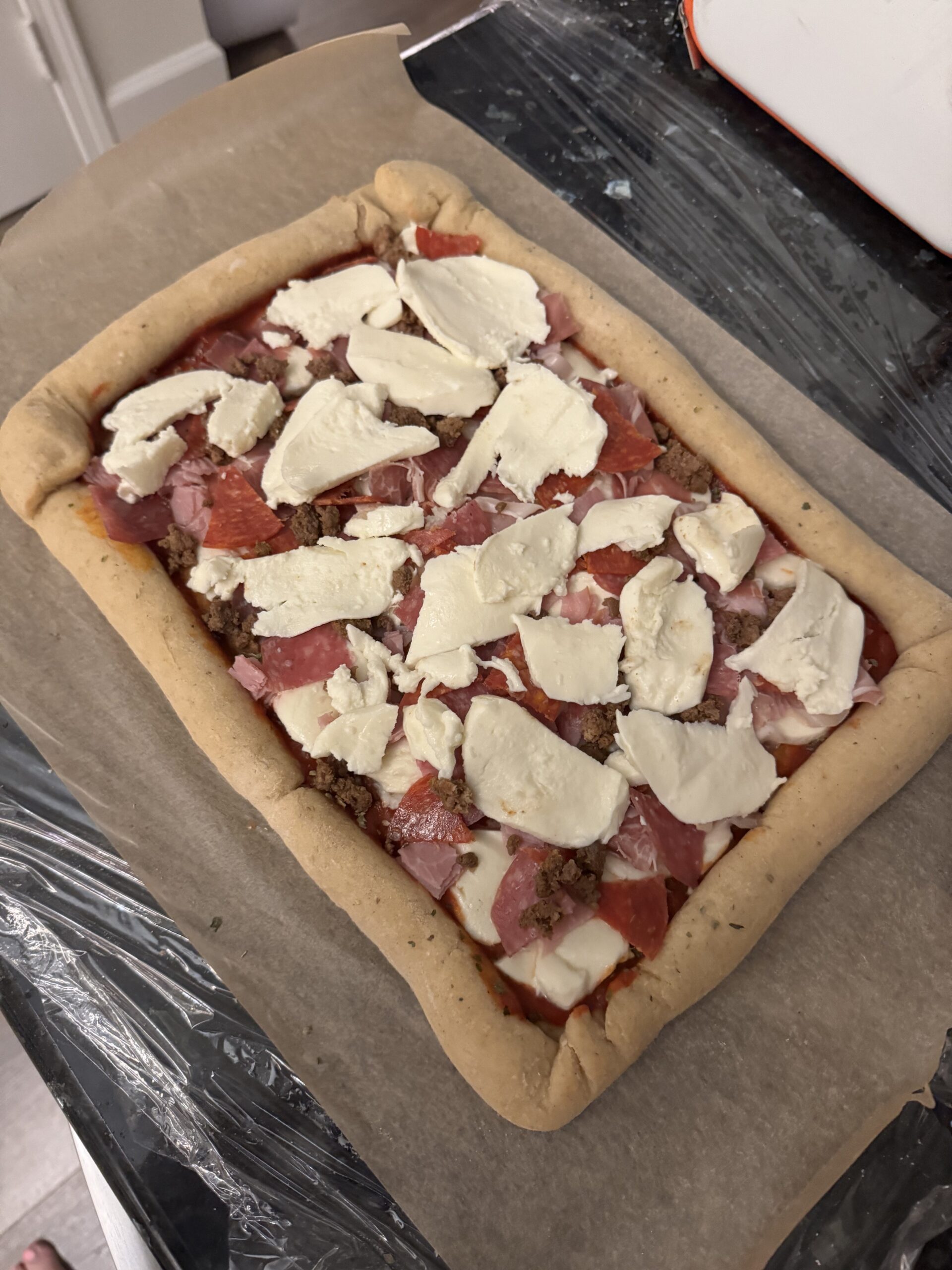
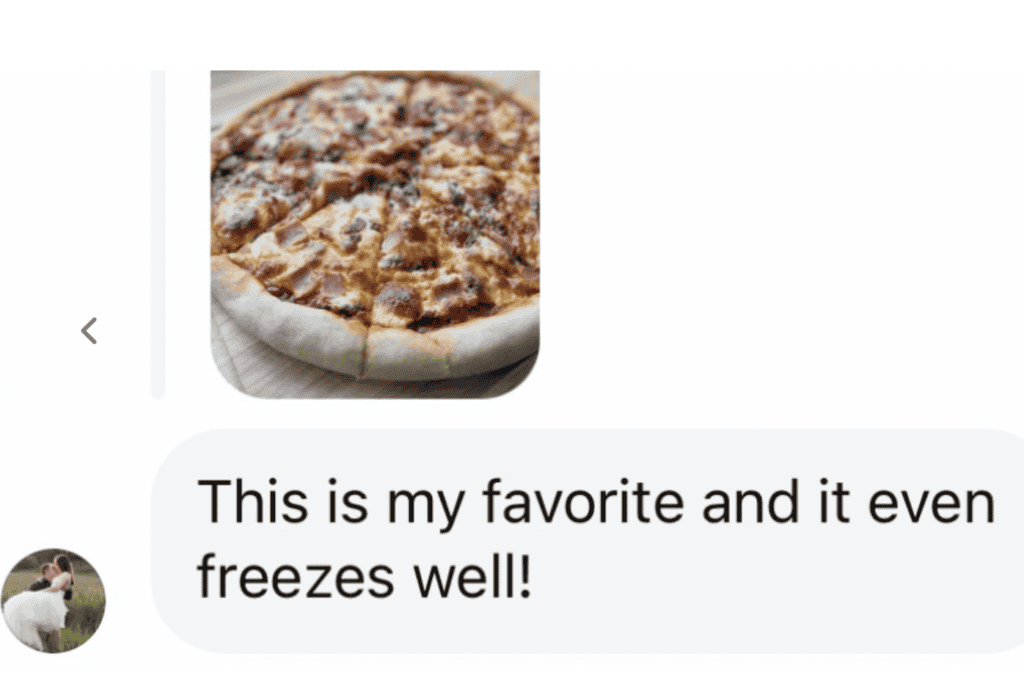
When I’m not making fried pizza, I prep regular pizzas for the freezer to have quick and easy nutrient dense freezer pizzas for when I don’t feel like cooking! My life hack for enjoying the best of both worlds while being gluten-free.
Prepare yourself to be amazed by just how delicious this simple recipe turns out and thank me later for only having to make one dinner tonight!
This post may contain affiliate links, please read our disclosure policy for details.
Fresh Milling Flour
Before we dive in here, I want to note, you don’t have to use fresh milled flours to successfully make this recipe. There are already milled versions of the flours I’m sharing that I will link in the ingredient’s list section!
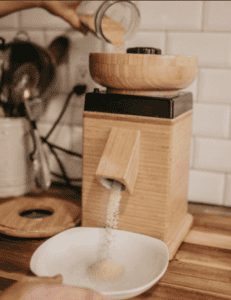
Using fresh milled flours instantly levels up the nutrient density of your recipe. In our house, if you’re going to indulge, mama is going to stack the recipe with healthier ingredients! If you’ve never milled fresh gluten-free grains, this step may seem intimidating, but let me ease you’re mind, it’s easily the most simple hack you could ever do to level up your recipes.
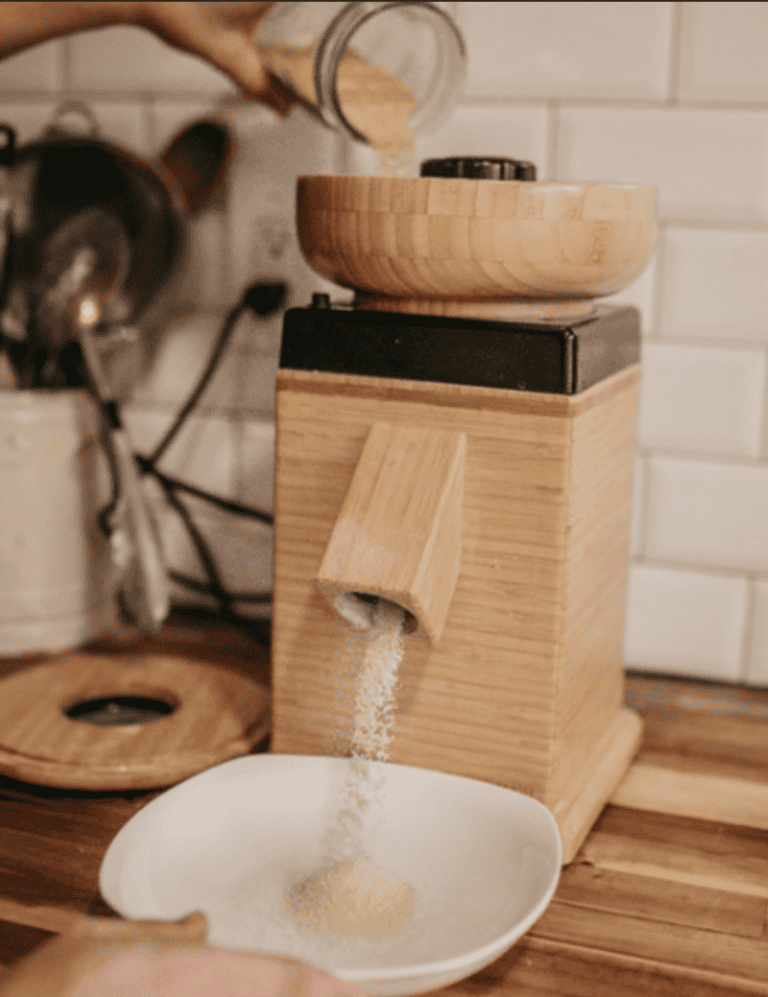
To unlock this health hack, all you need are gluten free grains from a trusted source and a grain mill. My favorite is the Nutrimill Harvest Grain Mill. You’ll flip the switch on, pour the grains into the hopper, and fresh milled flour will flow out into a bowl. It’s really that simple.
Here’s a video walk through of fresh milling grains:
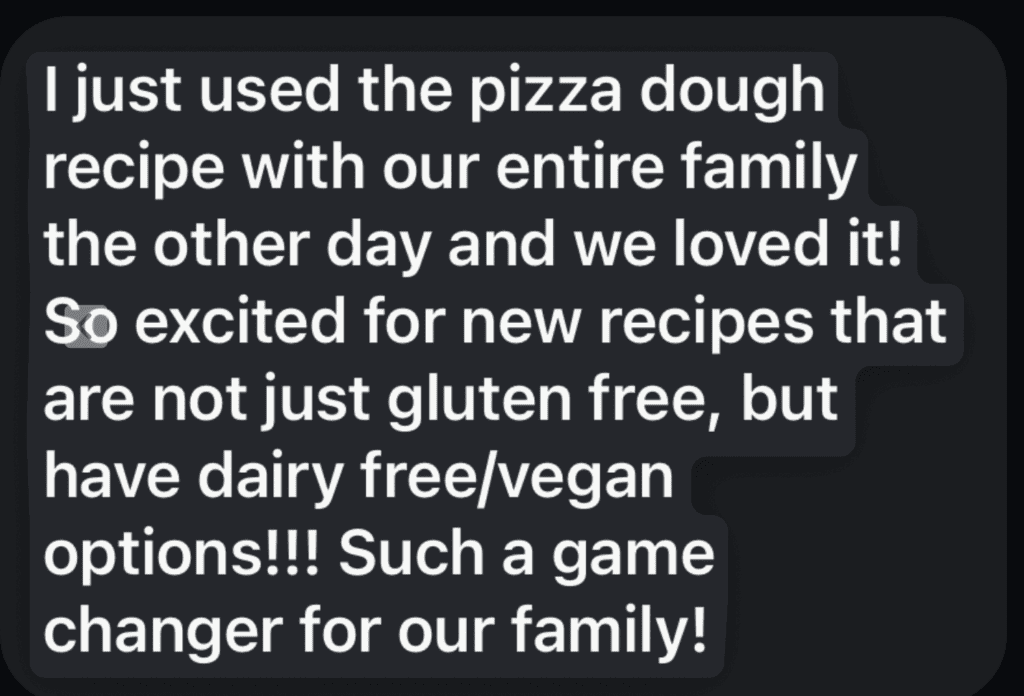
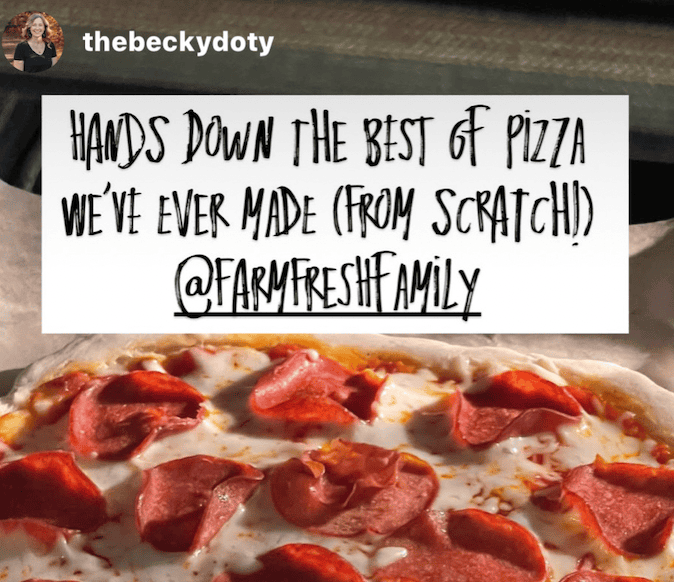
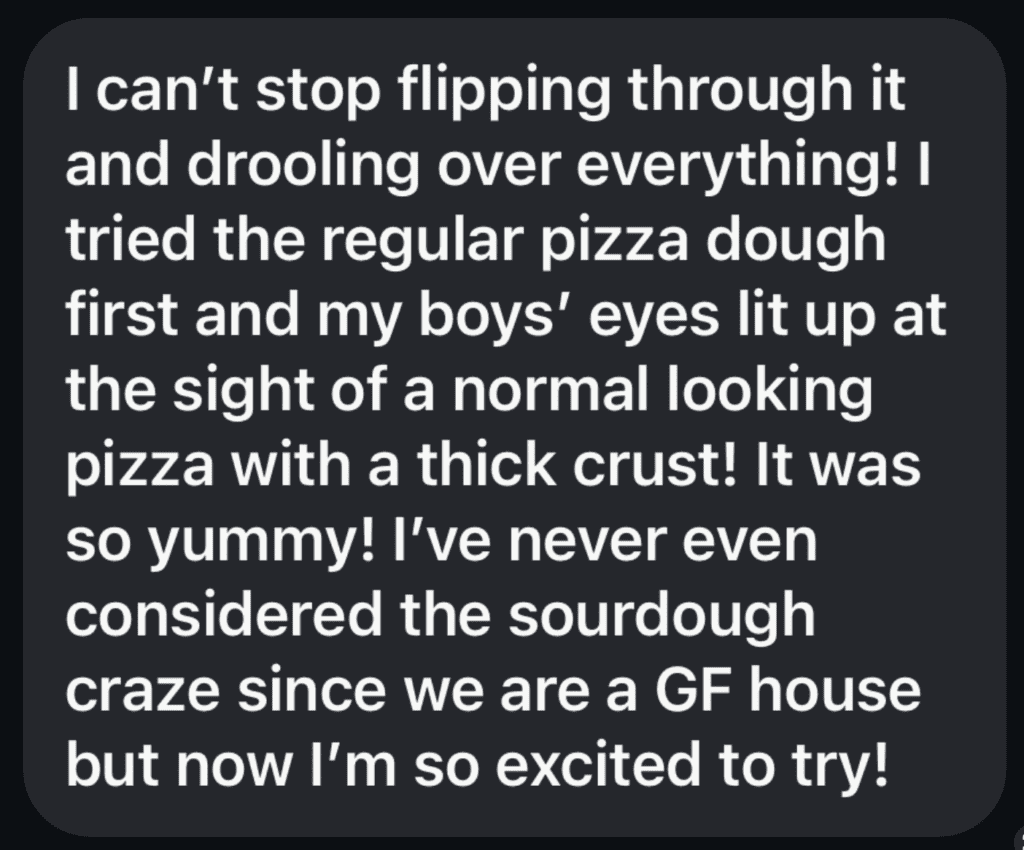
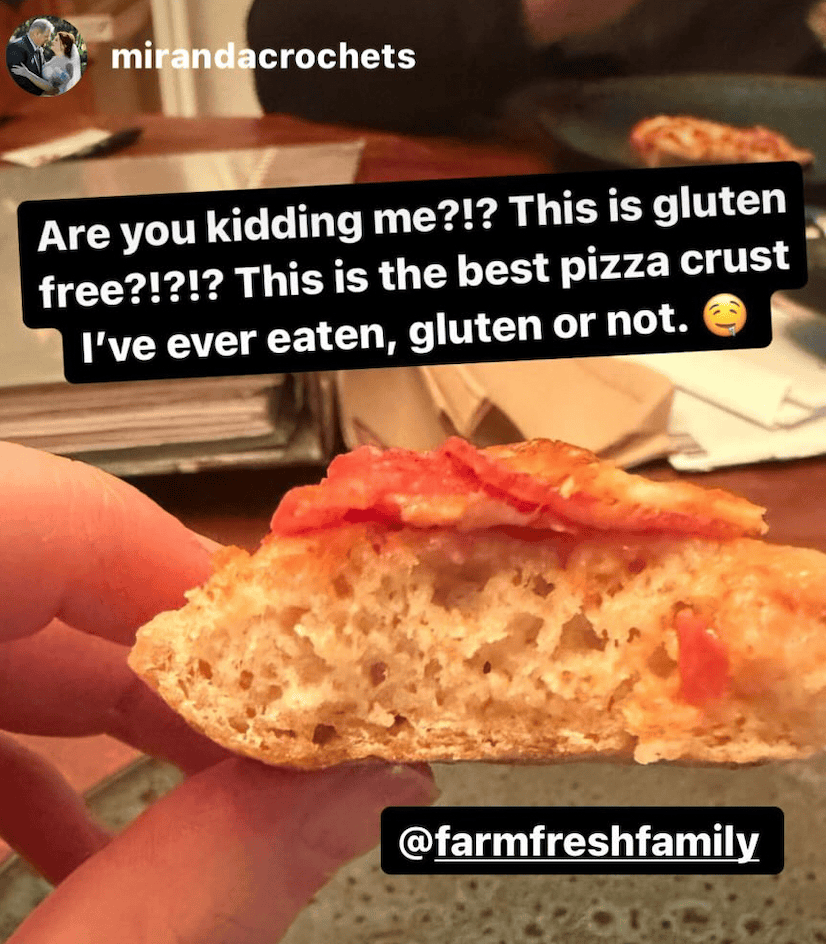
“Made your pizza crust last night for dinner!!! Omg! Game changer!!”
Ingredients
Please see recipe card at the bottom of this post for the full recipe details.
1. Psyllium Husk Mix
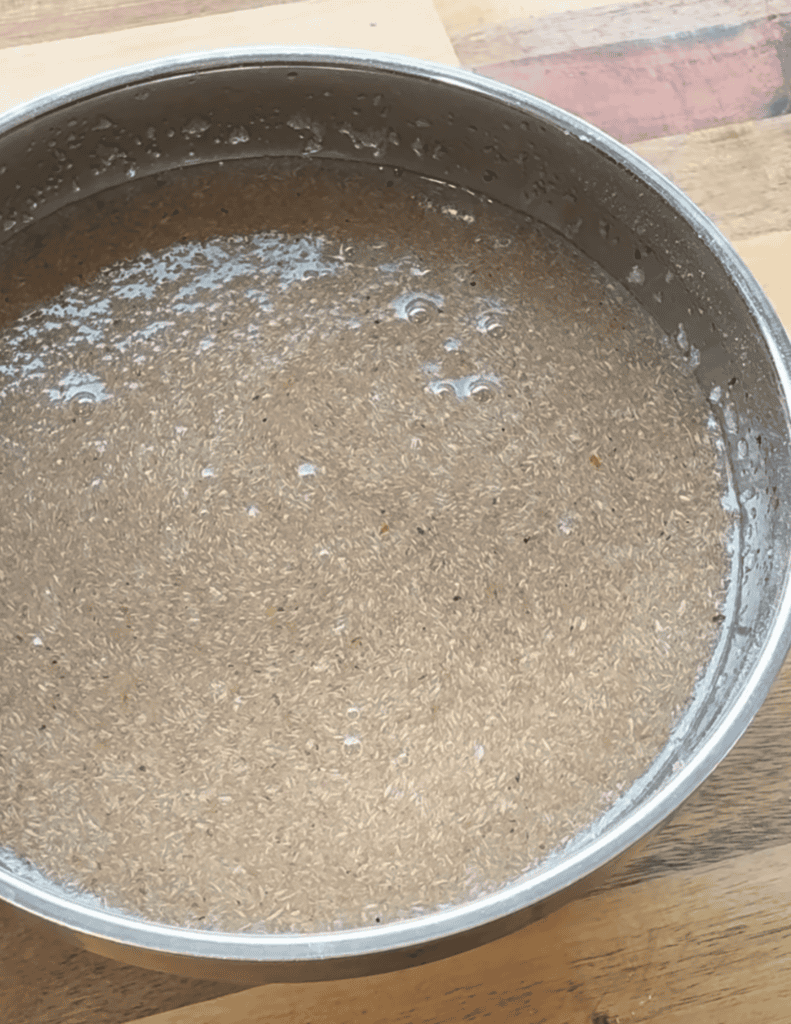
This is a mix of psyllium husk (whole husk) and warm water. When combining the two together, a gel mixture is formed that helps create the structure of the dough. It is importance to use a trusted brand of psyllium husk (I recommend this one). It’s also extremely important to get whole husk. Powdered husk is finer and requires more water to compensate for the excess surface area on the powder compared to the whole husk.
Watch how to make psyllium husk gel for yeast breads with whole husk here:
2. Bloomed Yeast
By combining the yeast, warm milk (or water if dairy-free) and honey together and allowing it time to proof in a warm, draft free area, a frothy “bloomed” yeast emerges which reassures you that your yeast is active and will help your dough rise beautifully. I recommend using a countertop proofing oven to ensure a warm and compatible environment for proofing not only the yeast but the dough as well. My favorite is this multipurpose oven.
Here’s a tutorial on how to bloom the yeast:
3. Flours/Powders
There are many flours that can be used if the following flours are not accessible where you’re at or if your diet requires modifications. There are many times when I run out of a flour and sub it out for another that I have on hand. Understanding the different flours and their fellow flours that perform similarly within a recipe will help you adjust and become empowered with swapping out ingredients.
- Millet Flour
If using fresh milled gains, I get these from Azure Standard (US based option), Amazon, or Bread Becker. If using already milled grains (similar to just picking up flour at the store) I useBob’s Red Mill or Anthonys. Millet is one of the oldest cultivated grains and is naturally alkaline, making it easy to digest. It’s excellent for tender cakes, flatbreads, and sandwich breads. Its mild flavor complements sweet and savory dishes. - Gluten-Free One-to-One Flour
A high-quality gluten-free one to-one flour blend provides structure while keeping the cookies crisp, not crumbly. I prefer Bob’s Red Mill Gluten-Free 1-to-1 Baking Flour for this recipe because it produces consistent results and bakes evenly. Be sure to use a one-to-one blend that already contains xanthan gum. If you’d like to substitute this ingredient out completely, increase the Xanthan Gum within the recipe by 1/2 tsp.
4. Salt
A small amount of salt balances the sweetness and enhances the chocolate flavor. Don’t skip it—it makes a noticeable difference.
5. Avocado Oil
Avocado oil is my go-to fat for soft, because it keeps the dough tender without adding any strong flavor thanks to its neutral taste, It also adds healthy fats to help prevent dryness and cracking — something gluten-free doughs are especially prone to. Avocado oil also has a high smoke point, which means your crust brown beautifully in the oven without burning or tasting greasy. If you need to sub it out, try using olive oil or melted tallow.

The Gluten Free Kitchen Cookbook Series
Healthy GLUTEN-FREE Recipes for Every Day LIFE
Your go-to cookbooks for all of the delicious & nutritious meals, sides, breads (yeast & sourdough), baking staples, snacks, desserts, drinks and more. With easy-to-follow instructions and beautiful step-by-step photography, every page invites you to explore nostalgic, healthy meals that make being gluten free a “get to” instead of a “have to”.
Whether you’re cooking for yourself or sharing with loved ones, The Gluten Free Kitchen Cookbook Series brings healthy living to your table every day.
What Are Other’s Saying?

Making the Dough
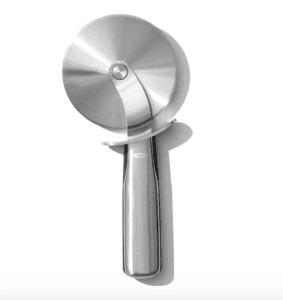
This dough is flexible and is the perfect base recipe for whatever pizza you’d like to create. You could roll the dough out and use cookie cutters to make fun shaped pizza for your kids, load and roll it up into a pizza pinwheel, fold it into a calzone or fry it to have my absolute favorite fried pizza!
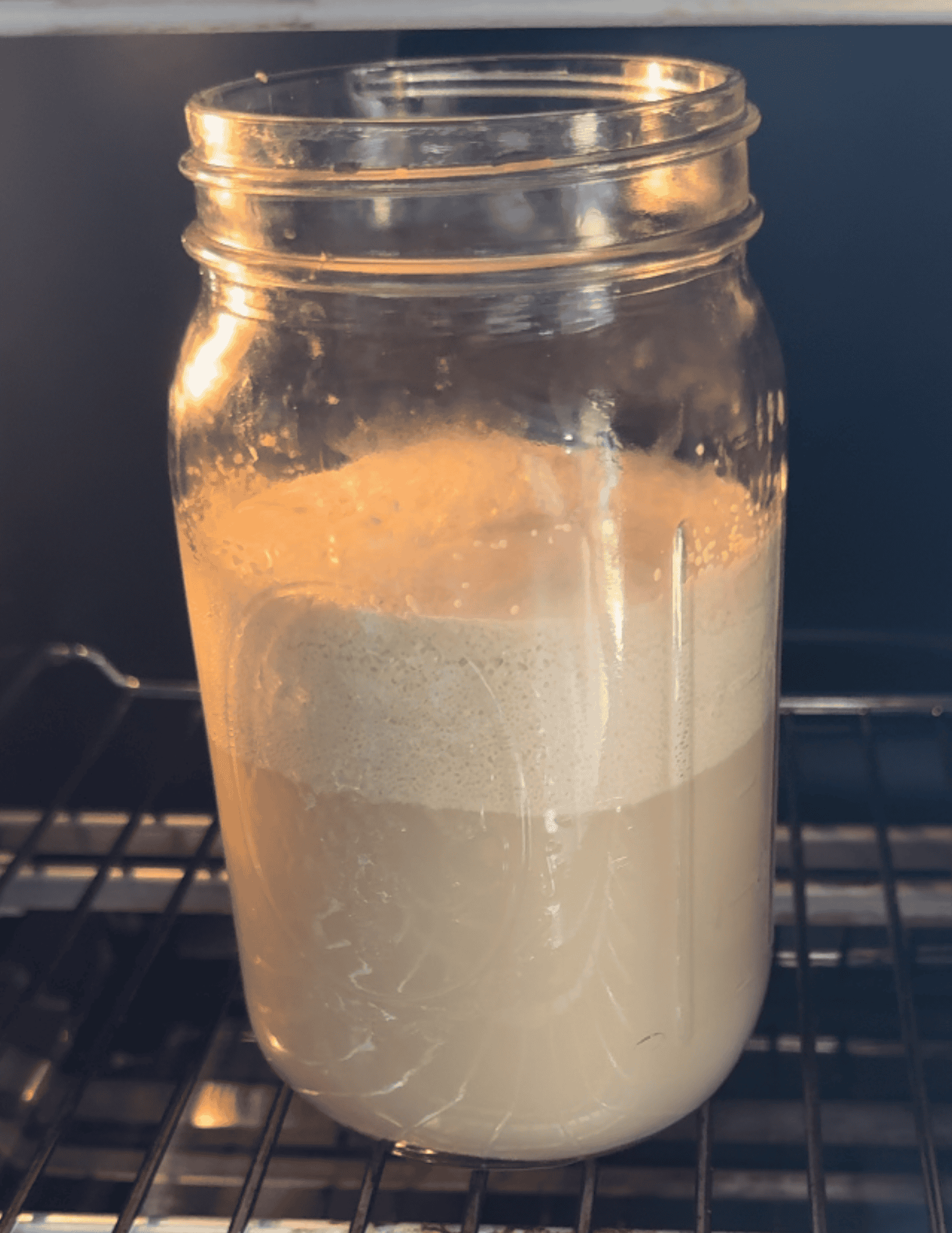
1. Proof Yeast
2. Mix Psyllium Husk + Water
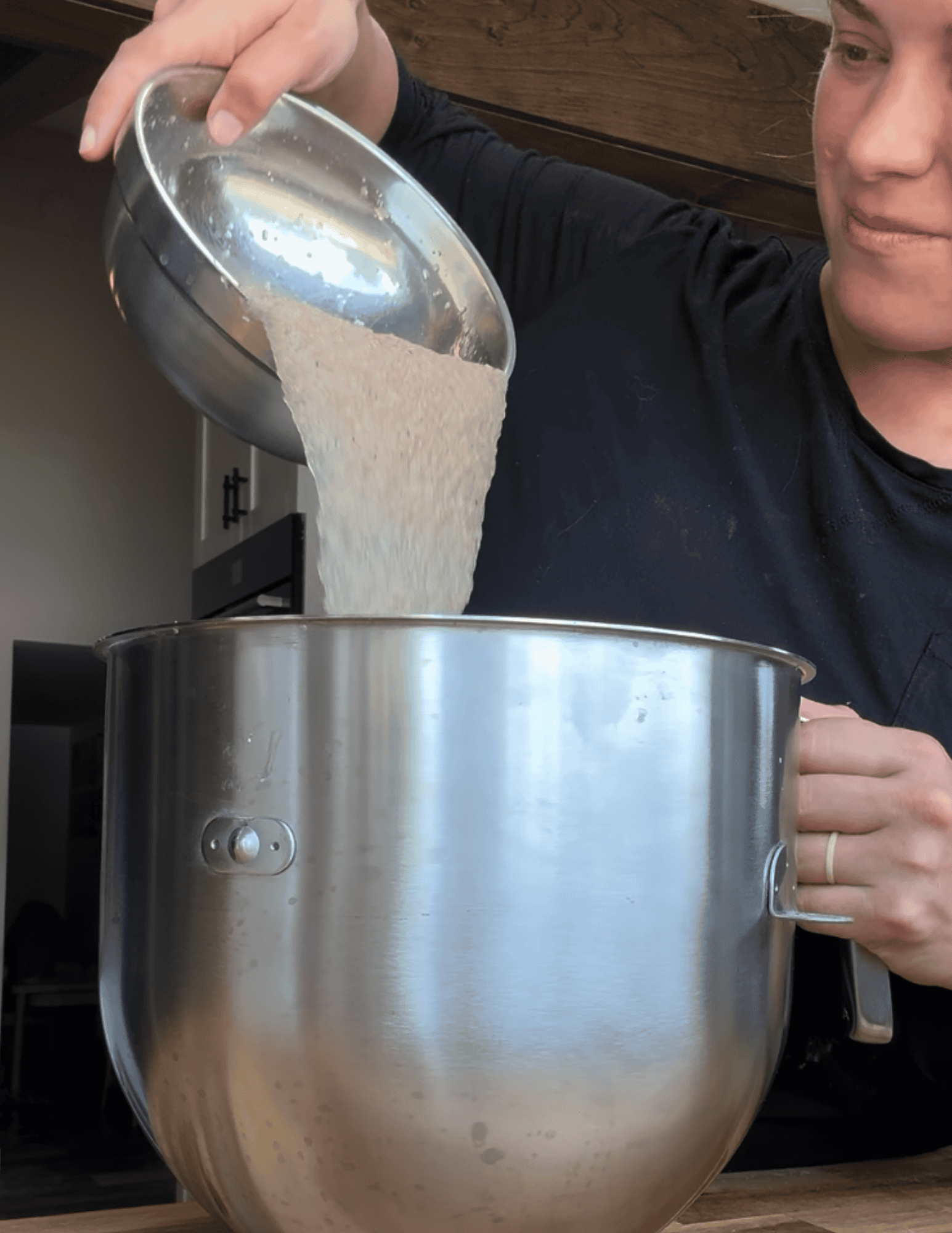
3. Add to Dry Ingredients
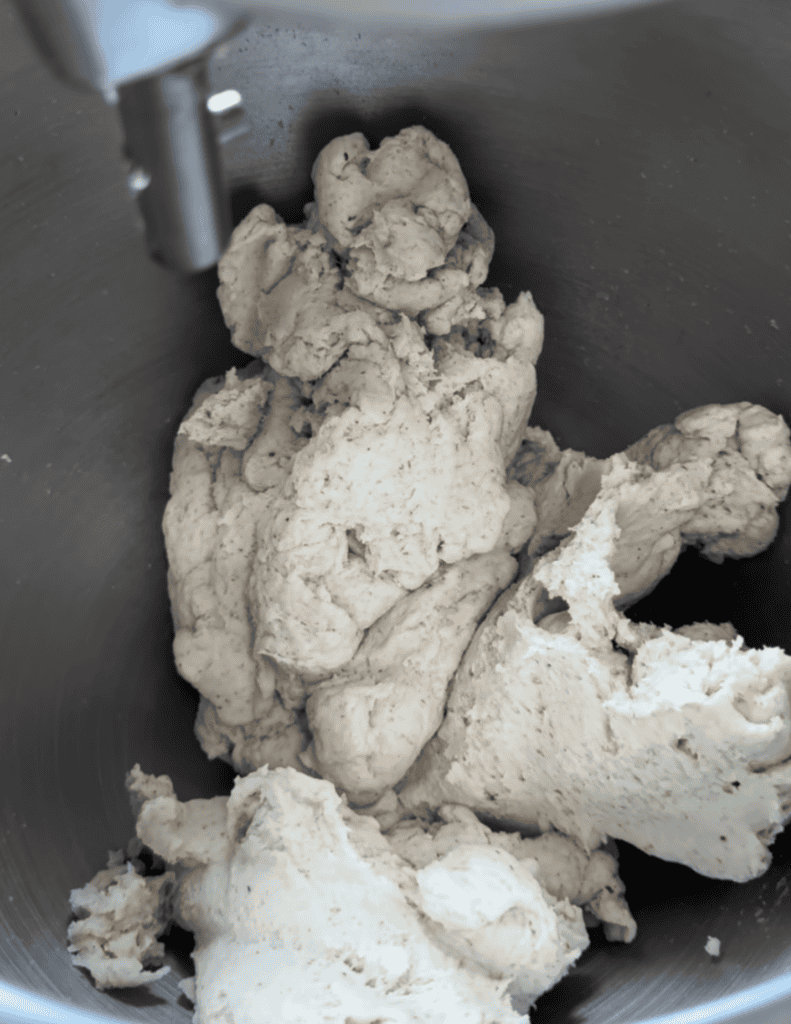
4. Dough Texture
Gluten-Free Pizza Crust
Ingredients
Wet Ingredient Prep:
- 1/4 cup Psyllium Husk whole
- 3/4 cup Water warm
- 2 tsp Yeast
- 1 cup Water warm
- 1 tbsp Honey
Remaining Ingredients:
- 2 1/2 cup Millet Flour
- 2 1/2 cup Gluten Free One-to-One Flour
- 2 tsp Salt
- 1 cup Water warm
- 2 tbsp Avocado Oil
Instructions
- Mix yeast, warm water, and honey. Place in a warm, draft free environment and let it froth (proof) and set aside. (2 tsp Yeast, 1 cup Water, 1 tbsp Honey)
- Mix psyllium husk and warm water, set aside. (1/4 cup Psyllium Husk, 3/4 cup Water)
- Preheat proofing oven to 100°F or turn a regular oven onto the lowest temp (usually around 175°F – see tips section of this blog for more info).
- Add dry ingredients together in a mixing bowl (stand mixer) and top with the remaining wet ingredients (oil, water, husk mix, yeast mix).
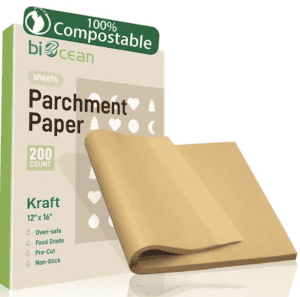
- With the dough hook attachment slowly incorporate everything until well combined. Let the machine knead the dough for 5 minutes. You can stop and reposition dough during this process if need be.
- Form dough into a ball and place in oven (100°F). If using a regular oven without a proofing setting, turn the heat off and let it rise for 1 hour.
- Once risen, shape into your pizza of choice: Regular Pizza, Fried Pizza, Calzone, etc.
Recipe Tips
Proofing is important. Use a countertop oven with a proofing setting to ensure your dough proofs perfectly each time. If you don’t have a proofing oven, turn your kitchen oven on to the lowest setting (usually 175°F) and once it reaches that temperature, turn the oven off. Place your covered bowl with dough into the oven and allow it to proof there.
If your dough isn’t proofing well and you’ve utilized the tip above, make sure your yeast is still active and strong. Weak yeast = weak dough.
One recipe makes 2 large pizzas. I always double the recipe to make 4 pizzas and store them away in the freezer.
Prep/Storage Options:
- Make and freeze: This dough can be made and frozen for later use if stored in an airtight container. I like to use the soupercube containers to form the dough into 1 or 2 cup portions and then once they are frozen move them to a freezer safe plastic bag.
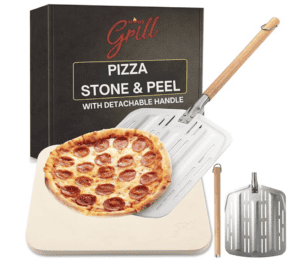
- Par-bake & Freeze a Pizza: You can par-bake the dough for a flat pizza crust for 5-10 minutes on 450°F. If you’re wanting to freeze par-baked pizzas, let them cool, load them up with toppings of choice after you par-bake them and cover with a plastic cling wrap and freeze. When you’re ready to make a pizza, heat your oven to 450°F and bake from frozen for 10-15 minutes (or until the cheese is melted and hot.) To brown the cheese, broil the pizza for 1-2 minutes. Be sure to watch this process as it can go from browned to burnt quickly.
- Make & Bake: This is the option shared in the recipe steps! Take this dough and once it has risen it is ready to turn into the pizza of your choice. For a regular pizza, preheat the oven to 450°F and partake for 5-10 minutes. Then, add toppings and finish baking for 10-15 minutes.
- Refrigerated & Cold Fermented: This dough can also be mixed, made and stored in the refrigerator for 48 hours to develop more flavor and have a chewier consistency when baked.
Recipe FAQs
Get on the List
Subscribe to Receive the Gluten Free Pantry Must Haves Ebook
Did you make this recipe?
We’d love to see! Tag @farmfreshfamily on Instagram!